
Ball Sticking Underwear: Why It Happens and How to Fix It
If your testicles stick to your thigh or to the fabric of your underwear, the cause is almost always moisture plus heat plus friction, and the fix is almost always a better fit, a breathable fabric and a leg that stays put. Boxer briefs with a non-rising leg handle most of it. A few habits cover the rest. Below you will find why it happens, what to look for in a pair, what to do on hot days and at the gym, and the signs that mean you should call a doctor instead of shopping.
TL;DR
- Sticking happens when damp skin surfaces touch and cling. Sweat and heat make it worse, and friction can then irritate the skin.
- Underwear with a leg that rides up, bunches or sags lets skin touch skin. A snug, breathable boxer brief with a leg that stays in place keeps surfaces apart.
- Change underwear daily, and again after heavy sweating. Dry the area fully after showering.
- A barrier such as powder or petroleum jelly can cut friction on long, hot days.
- Sudden pain or swelling, a painful rash, or a rash with fever needs a clinician, not a new pair of underwear.
Table of Contents
- Why your balls stick to your thigh or underwear
- When sticking gets worse
- What the wrong underwear does
- What to look for in underwear that stops the sticking
- Boxers, briefs, boxer briefs or pouch styles
- Daily habits that cut sticking
- Sticking during workouts and hot days
- Does underwear make your balls sag?
- A note from our team
- Try a non-rising leg for yourself
- When to see a doctor
- FAQ
- Sources
Why your balls stick to your thigh or underwear
Skin that touches skin for hours, in a warm, closed space, gets damp. Damp skin grips. Cleveland Clinic explains that trapped moisture, often from sweat, makes touching skin surfaces stick and raises friction, which can damage and inflame the skin. Heat and moisture together intensify that friction.
Dermatologist Kenneth Howe, MD, described the mechanism to Men’s Health this way: perspiration makes skin tacky, so surfaces no longer slide past each other. In the groin and inner thigh, that means skin-to-skin contact and clothing friction combine to produce that peeling, clingy feeling when you move or stand up.
Three things tend to stack up:
- Heat. The scrotum is built to hold the testes a few degrees below core body temperature, and it responds to warmth. According to Columbia University’s Go Ask Alice, warmth relaxes the muscle so the scrotum hangs lower, while cold pulls it closer to the body. A lower hang in hot weather puts more skin against the thigh.
- Moisture. Sweat, humidity and not drying fully after a shower all leave skin damp.
- Fabric and fit. A leg opening that rides up, a pouch that is too loose, or fabric that holds sweat creates contact points and rubbing.
Posture matters too. A review in Reproductive Biology and Endocrinology notes that sitting with the thighs together can quickly push scrotal temperature above 36°C, and clothing adds roughly 0.5 to 1.0°C compared with being naked. So a long drive or a desk day in snug, non-breathable fabric is a perfect setup for sticking.
When sticking gets worse
Hot weather, humidity, hard workouts and tight clothing all increase sweating and friction. For most men that just means annoyance. The skin can still pay for it, though.
The American Academy of Dermatology says that chafing is often harmless and short-lived, but it can become painful, especially when thighs rub together. The same organization notes that tight clothing rubbing against damp, hot skin can damage hair follicles and lead to folliculitis, those small, acne-like bumps.
Cleveland Clinic adds that heat and moisture weaken the skin barrier and may allow bacteria or fungus to overgrow. That is why a minor sticky feeling is worth fixing early. Persistent dampness is how a nuisance turns into a rash.
What the wrong underwear does
Most men who complain about sticking describe one of these patterns:
- Riding legs. The leg hem creeps up the thigh, folds, and leaves a gap where the scrotum can slide out and rest on bare skin.
- Loose boxers that bunch. The fabric twists between the legs. You feel it, then you adjust, then you feel it again.
- Sweat-holding fabric. Material that stays wet against the skin keeps that tacky feeling going all afternoon.
- Scratchy seams and labels. Irritation makes you shift and tug, which adds friction.
The fix is not exotic. It is a cut that holds position, a stretch that follows you, and fabric that lets heat and moisture move away.
What to look for in underwear that stops the sticking
A leg that stays where you put it
The single biggest factor is the leg hem. If it rides up, everything else you do is a patch. A non-rising leg is designed to stay in place through walking, sitting, stairs and a day of meetings, so the fabric stays between your skin surfaces instead of bunching up at the top of your thigh. We go deeper on the cut in our comparison of boxer briefs and briefs with the non-rising leg fix.
Snug, not tight
Mayo Clinic lists warm, moist conditions and tight clothing as risk factors for jock itch and advises choosing a well-fitting garment and breathable fabric. Notice the word well-fitting. Too loose and fabric bunches. Too tight and it traps heat and rubs. You want a close, even hold with room to move, which is where four-way stretch earns its keep.
Cleveland Clinic’s guidance on the scrotum is similar in spirit: wear comfortable, loose-feeling underwear and pants and let the scrotum hang naturally to help keep its temperature low. Read that as a call to avoid compression and heat, not as a call for flapping fabric. A soft, stretchy boxer brief that supports without squeezing does both jobs.

Breathable, lightweight fabric
Fabric choice decides how long skin stays damp. Lightweight, breathable knits let air and moisture move, while heavy or non-breathable cloth holds heat against the skin. If you want the material details, our guides on fiber, elastane and fit and nylon versus polyester walk through the tradeoffs, and this overview of moisture-friendly, odor-resistant fabric choices shows the same logic applied to socks: what the fibers are made of decides how well a garment handles sweat.
If you are unsure whether you need breathable or wicking, we break it down by situation in 5 everyday scenarios.
Tagless and smooth
A label or rough seam scratching at the groin makes you fidget and adds friction to skin that is already damp. Tagless construction removes one source. We cover the idea in how tagless underwear reduces irritation.
A waistband that behaves
If the waistband rolls, the whole garment shifts. A stable band keeps the pouch and legs where they belong. See our rundown of three waistband types if yours rolls or digs.
Boxers, briefs, boxer briefs or pouch styles
The search results for this topic are full of pouch designs, dual-compartment cuts and support styles. They address one real need: separation and lift. Here is how the main types compare for sticking.
| Style | Sticking risk | Why |
|---|---|---|
| Loose boxers | Medium to high | Fabric bunches, shifts and leaves the thigh exposed to skin contact |
| Traditional briefs | Low to medium | Close hold, but little leg coverage, so friction can move to the crease |
| Standard boxer briefs | Low to medium | Leg coverage, but a hem that rides up undoes the benefit |
| Boxer briefs with a non-rising leg | Lower | Leg stays in place, so fabric stays between skin surfaces |
| Dedicated pouch or dual-compartment styles | Lower | Physical separation, though some men find the construction bulky |
If you are choosing between the first two types, our piece on boxers versus boxer briefs and airflow lays out the comparison. For most men who want comfort without fuss, a well-cut boxer brief is the sweet spot: coverage down the thigh, a close hold, and no extra hardware to think about.
Daily habits that cut sticking
Underwear is half of it. The other half is skin care and routine, and the advice is consistent across medical sources.
Keep the area dry
Mayo Clinic recommends keeping the groin dry and changing underwear at least daily, or more often after heavy sweating. After a shower, pat the area dry instead of rubbing, and give it a minute before getting dressed. Cleveland Clinic’s guidance for skin-fold irritation also stresses cleaning, thoroughly patting dry and keeping the area cool.
Shower and change after sweating
Dove’s skin-care guidance for chafing points to wearing breathable clothing, using body powder or antiperspirant in sweat-prone areas, and showering and changing into clean, dry clothes after sweating. Do not leave a damp gym pair on while you run errands.
Use a barrier on hot or long days
The AAD notes that applying powder or petroleum jelly to problem areas helps reduce friction when skin rubs together or against clothing. Cleveland Clinic also lists a zinc-oxide or petrolatum barrier, or an absorbent separator, for skin-fold irritation. Apply a thin layer to clean, dry skin on the inner thigh, and keep products on the outer skin of the thigh and groin crease rather than inside any broken or raw skin.
Think about posture and heat
On a long flight or a desk day, shifting position and uncrossing your legs lets heat escape. It is a small thing, but given how quickly scrotal temperature rises when the thighs are together, it helps.
Rotate your pairs
Owning enough pairs to change daily, and again after the gym, is the easiest habit to keep. Underwear that keeps its stretch and softness after repeated washing matters here, because a pair that loses its shape starts to bunch.

Sticking during workouts and hot days
Exercise adds sweat and motion in the same place. A workout plan for the groin looks like this:
- Start with a clean, dry pair in a close-fitting, lightweight cut with a leg that will not ride.
- Use powder or a barrier on the inner thighs if you know you chafe on runs or in summer heat.
- Skip cotton-heavy, thick or loose pairs for long sessions if they stay wet on you.
- Change out of damp clothing as soon as you finish, and shower.
- Carry a spare pair if you are traveling or going from the gym to work.
We built a full guide to matching fabric and cut to your day in choosing men’s underwear by activity, and our guide to keeping sweat from showing through pants covers the same moisture logic from the back side.
Does underwear make your balls sag?
Men often worry that tight or loose underwear causes lasting sag. The evidence does not point that way. Cleveland Clinic notes that with age, testicles may shrink and the scrotum may hang lower, and Go Ask Alice describes how temperature changes scrotal position in the short term. Warm conditions loosen it, cold tightens it. Underwear alters temperature and comfort, but we are not aware of research showing a style causes permanent sagging. Pick underwear for comfort, hold and breathability, and do not pick it out of fear of sag.
A note from our team
We hear the same complaint from men who try our boxer briefs for the first time: they stopped thinking about their underwear by lunch. That is the whole idea.
Most sticking and bunching stories start at the leg hem. When a leg rides up, fabric rolls, skin touches skin, and you spend the day adjusting. So we designed the Contour™ Signature Boxer Brief around a non-rising leg that is meant to stay in place through the day. We paired it with ultra-soft four-way stretch for a second-skin feel without restriction, a lightweight, breathable fabric, and a tagless finish so nothing scratches.
We also care about what happens after the tenth wash. A pair that holds its fit and softness keeps doing its job, which is why we build ours to last. If sticking has been bothering you, start with the cut. Fix the leg, and most of the rest gets easier.
Tim
Try a non-rising leg for yourself
The Contour™ Signature Boxer Brief is our answer to the sticking and adjusting cycle: a non-rising leg, tagless finish, four-way stretch and breathable, lightweight fabric. It is available at $19.99 on our Contour™ Signature Boxer Brief page, with multipack bundles and free worldwide shipping options listed in the store.
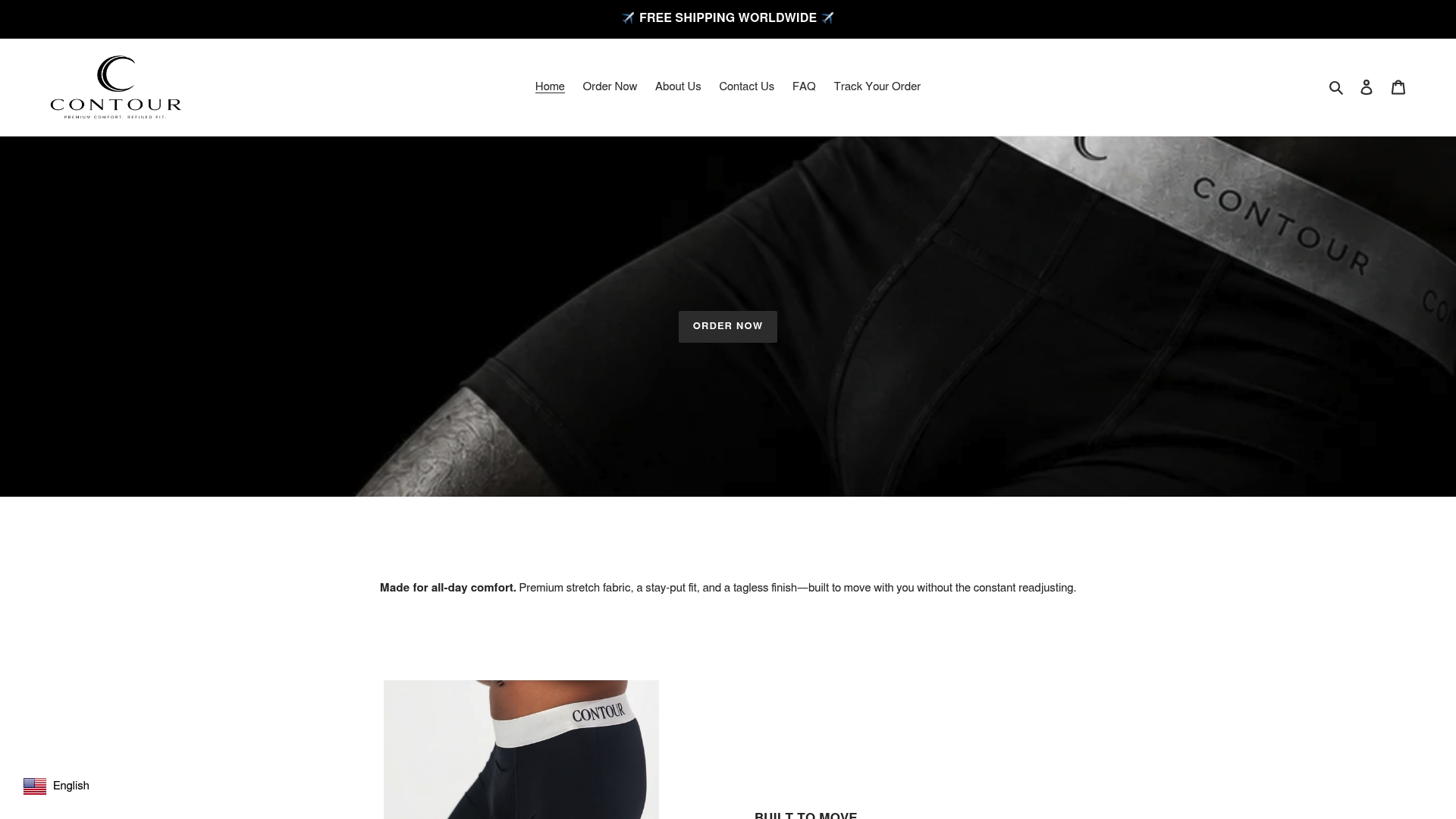
You can also see the full range from the Wearcontour home page.
When to see a doctor
Most sticking is a comfort problem. A few signs are not.
- Sudden scrotal pain or swelling. Mayo Clinic says to see a healthcare professional right away for scrotal pain or swelling that comes on quickly. Do not wait it out or try a new pair first.
- A painful rash or a rash with fever. Mayo Clinic advises medical care if a groin rash is painful or comes with fever.
- A rash that does not improve. For jock itch, Mayo Clinic says to get care if it has not improved after a week of self-care with an over-the-counter antifungal, or has not cleared after three weeks of treatment. It usually clears in one to three weeks with antifungal cream and self-care.
- Repeated, raw or broken skin from chafing, or bumps that keep coming back. A primary care doctor or dermatologist can sort out folliculitis, fungal rash and skin-fold irritation.
Supportive underwear can be part of treatment for some conditions, according to Mayo Clinic, but the diagnosis comes first.
FAQ
Why do my balls stick to my leg when I sweat?
Sweat makes skin tacky, so the scrotum and inner thigh grip instead of sliding. Heat lets the scrotum hang lower, which increases contact. Keeping the area dry and wearing a close, breathable cut with a leg that stays in place reduces the contact.
Are boxer briefs better than boxers for this?
For most men, yes. Boxer briefs hold close and cover the upper thigh, so fabric is less likely to bunch and skin is less likely to touch skin. The leg hem still matters: one that rides up cancels the benefit, which is why a non-rising leg is worth looking for.
Can powder or petroleum jelly help?
The American Academy of Dermatology says both can reduce friction where skin rubs together or against clothing. Apply a thin layer to clean, dry skin on the inner thigh. If the skin is raw, broken or itchy, see a doctor before putting anything on it.
How often should I change underwear to prevent sticking?
Mayo Clinic advises changing at least daily, and more often after heavy sweating. After a workout, change as soon as you can and shower first if possible. Owning enough pairs to rotate makes this easy.
Does tight underwear cause permanent damage?
No source we reviewed shows that a style causes permanent sagging. Heat and moisture are the real issues: tight clothing can raise skin temperature and irritation risk. Choose a snug, stretchy fit that supports without squeezing, and see a doctor for pain, swelling or a rash that will not clear.
Sources
- Intertrigo: What Is It, Causes, Symptoms & Treatment, Cleveland Clinic
- 9 Tips to Treat and Prevent Chafing in Your Groin Area, Men’s Health
- Why is my scrotum so tight? Go Ask Alice, Columbia University
- Lifestyle impact and the biology of the human scrotum, Reproductive Biology and Endocrinology
- How your workout can affect your skin, American Academy of Dermatology
- Acne-like breakouts could be folliculitis, American Academy of Dermatology
- Jock itch, Mayo Clinic
- Scrotum: Anatomy & Function, Cleveland Clinic
- Male Reproductive System: Structure & Function, Cleveland Clinic
- Understanding and preventing skin chafing, Dove
- How to prevent and treat blisters, American Academy of Dermatology
- Orchitis, Mayo Clinic
- Anti-odor fabric choices