
Nylon vs. Polyester Underwear for Men: Daily Comfort or Fast Drying?
If you want second skin daily comfort with minimal chafing, nylon blends usually win. If you need fast drying power and sweat performance for workouts, polyester blends tend to perform better. Both are strong, stretchy synthetics, and the right pick depends on whether you prioritize smooth, close fit or quick moisture recovery during activity.
TL;DR:
- For workouts or travel between washes, polyester blends dry faster; choose garments with engineered wicking panels, since solid knits can trap warm, humid air.
- Nylon’s slick surface can reduce friction during daily wear, but knit density and vent placement affect breathability more than the fiber name.
- Check elastane content before buying: blends with less than 5% often lose shape faster, while higher amounts improve recovery but may slightly reduce breathability.
- Wash either blend in cold water, avoid fabric softener because it can reduce wicking, and air dry when possible to protect stretch recovery.
Table of Contents
- How nylon and polyester compare across comfort, breathability, and durability
- Why nylon feels smoother against your skin
- Why polyester dominates performance and athletic underwear
- How blends, fit, and laundry habits shape real performance
- A quick checklist for matching fabric to your routine
- How the Contour™ Signature Boxer Brief addresses these priorities
- My take on choosing between nylon and polyester
- Try the Contour™ Signature Boxer Brief for everyday comfort
- FAQ
- Sources
How nylon and polyester compare across comfort, breathability, and durability
The two fabrics share a lot of ground, but they diverge in ways that matter once you’re wearing them for 12 hours straight.
- Comfort and hand feel: Nylon has a smoother, silkier surface that glides against skin, which tends to reduce friction during movement.
- Breathability: Neither fiber breathes like cotton, but knit density and vent panels matter more than the base fiber itself.
- Moisture handling: Polyester is typically engineered for faster wicking and quicker drying, while nylon absorbs a bit more moisture before it feels damp.
- Durability: Both resist abrasion well, though shape retention depends heavily on the elastane percentage in the blend.
- Odor control: Synthetic fibers can selectively enrich odor-associated bacteria, and how a fabric is laundered plays a large role in whether that becomes noticeable.
Textile microbiome research has found that synthetic fibers can create conditions that favor certain bacteria tied to odor, though laundering habits and antimicrobial finishes change the outcome significantly. A tight fit traps more moisture and friction than a looser one regardless of which fiber you choose, so fit and knit structure often matter as much as the fabric name on the tag.
Why nylon feels smoother against your skin
Nylon’s surface is naturally slick, which is why it shows up in so many close-fitting garments. That slickness reduces the drag between fabric and skin during walking, sitting, or exercise, which is one reason men with sensitive inner thighs often reach for nylon blends first.
- Nylon resists abrasion well, so it holds up to repeated contact without pilling quickly.
- Moisture tends to spread across nylon’s surface rather than pooling, which can make it feel dry longer in moderate conditions.
- Knit construction and vent placement affect how breathable a nylon garment feels more than the fiber itself does.
- Nylon blends generally keep their stretch recovery through many wash cycles when cared for properly.
Pro Tip: Wash nylon blends in cold water and skip the dryer’s high heat setting to protect the fiber’s stretch recovery over time.
Why polyester dominates performance and athletic underwear
Polyester earned its spot in gym bags because it dries fast and moves moisture away from skin efficiently when engineered with wicking finishes. For high-output activity like HIIT sessions or long runs, that drying speed can mean the difference between staying comfortable and chafing by the second mile.
- Polyester fibers absorb very little water internally, so sweat moves to the fabric surface and evaporates quickly.
- Many polyester blends include anti-odor treatments specifically because the fiber can be prone to odor buildup without them.
- Polyester tends to outperform nylon when you’re washing and drying underwear frequently, since it dries faster between wears.
Research on textile and skin interaction notes that synthetic fabrics can create warm, humid microenvironments against skin, and that breathable knit structures or wicking finishes can help offset that tendency. This is part of why performance-focused polyester garments usually pair the fiber with engineered mesh zones rather than a solid knit.
How blends, fit, and laundry habits shape real performance
The fiber name on the tag only tells part of the story. Elastane percentage in underwear influences stretch and recovery, and blends with very low elastane often sag faster regardless of whether they are nylon or polyester based.
- Nylon-spandex blends prioritize a silky, close fit for daily wear and tend to feel the smoothest against skin.
- Polyester-spandex blends prioritize moisture wicking and fast drying, making them common in athletic lines.
- Higher elastane percentages improve shape retention through repeated washing but can reduce overall breathability slightly.
Wash in cold water, skip fabric softener (it coats fibers and reduces wicking), and air dry when possible to protect elastic recovery. Our guide to fiber percentages and elastane effects breaks down how to read a product label before you buy.
Pro Tip: Check the elastane percentage on any product page: anything below 5% often loses its shape noticeably faster.

A quick checklist for matching fabric to your routine
Match your pick to how you’ll actually use it rather than defaulting to whatever’s cheapest.
- Everyday comfort: choose a nylon-spandex blend with a smooth knit for all-day wear without friction.
- Gym or high-sweat activity: choose a polyester-spandex blend with engineered wicking panels.
- Travel or long wear between washes: choose polyester for its faster drying between uses.
- Sensitive skin: look for breathable knit structures and avoid tight fits that trap moisture against skin.
Before buying, check the product page for fiber percentage, elastane content, advertised wicking or anti-odor treatment, and the return policy. Our breakdown on choosing breathable versus wicking underwear walks through these scenarios in more detail, and our comparison of boxers and boxer briefs covers how silhouette affects airflow too.
How the Contour™ Signature Boxer Brief addresses these priorities
The Contour™ Signature Boxer Brief is built around the comfort priorities most men care about most: a non-rising leg that stays put through the day instead of bunching, a tagless finish that removes a common irritation point, and breathable fabric designed to maintain its fit through repeated washing.
- The non-rising leg design addresses the friction and adjustment issues that come up most with daily wear.
- The tagless construction removes a small but constant irritation many underwear styles leave in place.
- Breathable fabric built to hold its shape wash after wash serves the durability priority most men weigh when buying underwear.
These features map directly to the comfort-first, fit-stability priorities covered throughout this comparison.
My take on choosing between nylon and polyester
Most men overthink the fiber choice and underthink the fit, as highlighted in Why Buy Soft Style Christian Shirts: Comfort Meets Faith. A slightly looser cut or a better knit will often solve more comfort problems than switching from nylon to polyester ever will. If you’re unsure, try a small pack of each and pay attention to which one you forget you’re wearing by noon, and always follow the care label to protect the stretch you paid for.
— Tim
Try the Contour™ Signature Boxer Brief for everyday comfort
If smooth, close fit and all-day stability are what you’re after, the Contour™ Signature Boxer Brief is built around exactly that: a non-rising leg, tagless finish, and fabric engineered to hold its shape through repeated washing.
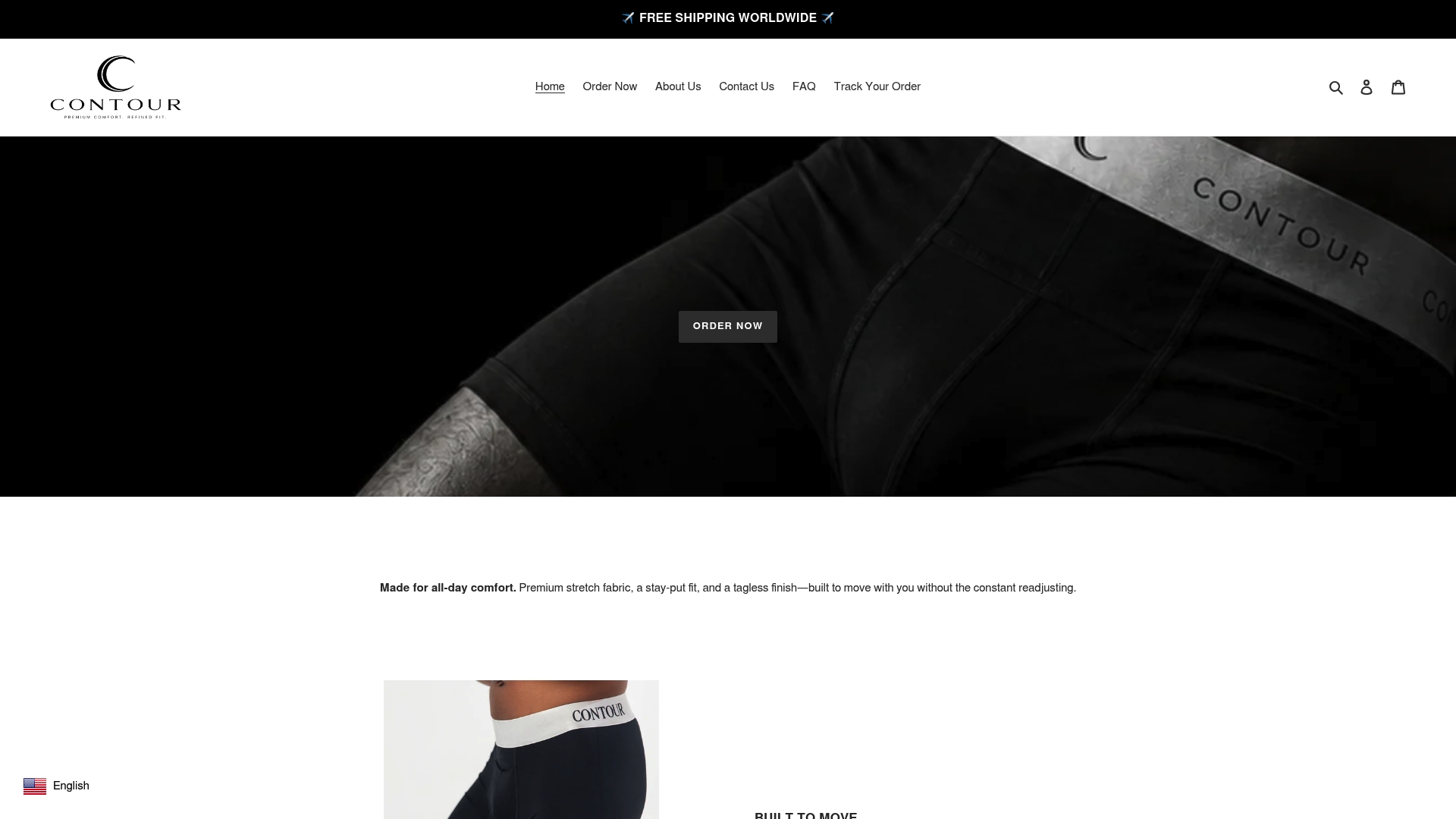
Pricing details are available on the Wear Contour website, and the underwear is a practical way to test whether a comfort-focused fit changes how your underwear feels by the end of the day.
FAQ
What underwear do gynecologists recommend?
Clinical guidance from the American College of Obstetricians and Gynecologists identifies clothing and underwear as environmental factors that can influence vulvovaginal moisture and microbial balance. Breathable fabrics and avoiding consistently damp conditions are commonly emphasized in that guidance.
Is nylon unhealthy like polyester?
Neither fiber is inherently unhealthy, but both can create warm, humid conditions against skin that may affect local microbial balance in some people. Breathable knit structures and proper laundering reduce this risk for both synthetic fabrics.
What is the best material for underwear?
There’s no single best material: nylon blends tend to suit daily comfort and close fit, while polyester blends tend to suit fast drying and active use. People with significant skin sensitivity are sometimes advised toward cotton, so checking your own skin’s response matters more than following a universal rule.
What underwear do urologists recommend?
General guidance for men’s underwear tends to emphasize breathability and a fit that avoids excess heat and moisture buildup rather than one specific fabric. Choosing a breathable knit and avoiding overly tight fits addresses most of the comfort and hygiene concerns raised in this area.
Sources
- The Future of Functional Clothing for an Improved Skin and Textile Microbiome Relationship
- Vulvovaginal Health (ACOG patient education pamphlet)