
Everyday Comfort for Men: Boxer Briefs vs Briefs, Non Rising Leg Fix
Boxer briefs win as the everyday default for most men, thanks to better thigh coverage and less chafing. Briefs earn their spot when you need maximum, minimal-fabric support for lifting, running, or high-impact sports. Fabric quality and fit matter as much as the cut itself, and a poorly made version of either style will disappoint you.
TL;DR:
- Boxer briefs with engineered hems and high-quality four-way stretch fabric prevent ride-up and maintain shape throughout the day.
- Fabric choice significantly impacts performance, with microfiber and moisture-wicking blends being best for athletic use and hot climates.
- Proper fit depends on measuring waist and thigh size accurately, and testing movement before purchasing multiple pairs.
- Body type influences comfort; larger thighs benefit from firmer, high-recovery fabrics, while longer thighs may require size adjustments.
- Most men should default to boxer briefs for daily wear, reserving briefs for high-impact activities or maximum support needs.
Table of Contents
- Boxer Briefs vs Briefs: What Actually Separates the Two Cuts
- Comfort and Support: How Each Style Feels in Motion
- Fabric and Performance: The Material Matters More Than You Think
- Getting the Fit Right: What to Check and How to Fix It
- When to Choose Each Style for Real-Life Situations
- How the Contour™ Signature Boxer Brief Solves the Ride-Up Problem
- Does Your Body Type Change the Answer?
- An Editorial Take: Pick the Boring Default, Then Adjust
- Where to Find a Boxer Brief That Actually Stays Put
- Sources
- FAQ
Boxer Briefs vs Briefs: What Actually Separates the Two Cuts
Briefs stop at the hip with no leg coverage at all. Boxer briefs extend down the thigh, typically 3 to 5 inches, which changes almost everything about how the garment feels and moves with you.
That extra fabric is the whole story. Briefs sit close and high, leaving your thighs bare, which means less material but more direct skin contact when you walk or run. Boxer briefs add a buffer layer between your thighs, which is why they’re often recommended as the safer default when you’re not sure which style to buy. Under clothing, the difference shows up too: briefs create a tighter, more compact silhouette, while boxer briefs give a smoother line down the leg, especially useful under slim trousers where a visible brief line can look sloppy.
Here’s the fast breakdown:
- Support: Briefs offer more direct, centered support since the pouch sits higher and tighter against the body.
- Coverage: Boxer briefs cover the upper thigh; briefs cover almost nothing below the hip.
- Chafe risk: Briefs leave thigh skin exposed to rub against itself; boxer briefs put fabric between your thighs instead.
- Common fabrics: Briefs lean toward cotton and cotton blends; boxer briefs are increasingly built with modal, microfiber, and four-way stretch blends.
- Silhouette: Briefs print more visibly under fitted pants; boxer briefs disappear better under most clothing.
Neither cut is objectively superior. They solve different problems, and the right answer depends on what your day actually looks like.
Comfort and Support: How Each Style Feels in Motion
Briefs feel locked in. The higher waistband and snugger leg opening keep everything anchored, which is exactly why a lot of guys reach for briefs before a heavy lift session or a sprint workout. There’s less material to shift, less bounce, and a more direct sense of support where you want it.
Boxer briefs trade some of that anchored feeling for coverage. The added leg fabric reduces skin-on-skin friction between your thighs, a common complaint from men who wear briefs on long walking days or during humid weather. Over eight or ten hours, that friction difference adds up. Men who switch from briefs to boxer briefs for daily wear often describe it as their underwear finally feeling like a second skin instead of something they notice every time they sit down or climb stairs.
The trade-offs run both directions:
- Briefs ventilate better since there’s less fabric covering the thigh, which matters in hot climates.
- Boxer briefs can feel slightly warmer in summer if the fabric is heavy or poorly ventilated.
- Briefs offer less restriction around the upper leg, which some men prefer for range of motion in sports like martial arts.
- Boxer briefs reduce the “wedgie” adjustment problem that plagues cheaper briefs by midday.
Pro Tip: If you run hot, don’t rule out boxer briefs. A lightweight, breathable knit solves the warmth issue without giving up the anti-chafe benefit. The problem is usually the fabric, not the cut.
Fabric and Performance: The Material Matters More Than You Think
Cut gets all the attention, but fabric decides whether either style actually performs. Cotton breathes well and feels familiar, but it holds moisture and loses shape faster, which is why all-cotton boxer briefs are the ones most likely to bunch by afternoon. Modal drapes softer and manages moisture better than cotton. Microfiber and performance polyester blends wick sweat fastest and dry quickest, which is why they’ve become the standard for athletic-leaning underwear.
Stretch and recovery matter even more for boxer briefs than for briefs, because there’s more fabric that has to move with your leg without sliding up. A true four-way stretch fabric flexes in every direction and snaps back to shape, which is what actually prevents the leg from riding up during a normal day of sitting, walking, and standing. Cheaper two-way stretch fabrics stretch out and stay stretched, which is the real reason so many boxer briefs end up bunched at the top of the thigh by lunchtime.
Quick care rules that protect stretch and fit:
- Wash in cold or warm water, never hot, since heat breaks down elastane fibers faster.
- Skip the dryer’s high heat setting; tumble low or air dry to preserve recovery.
- Avoid fabric softener on performance blends, since it can coat moisture-wicking fibers and reduce their effectiveness.
Getting the Fit Right: What to Check and How to Fix It
Fit problems show up the same way in both styles: bunching, riding up, or a waistband that digs in. Before you order more of the wrong size, run through these checks.
- Measure your waist and hip/thigh, not just your pants size. Underwear sizing runs differently than trouser sizing, and a snug waist with a loose leg opening is a common mismatch.
- Check where the leg band sits. On briefs, it should rest flat against the upper thigh without digging in. On boxer briefs, the hem should sit still, not curl or roll after a few steps.
- Watch for these warning signs: constant waistband rolling means you need a size down; visible ride-up after sitting means the fabric lacks recovery or the leg opening is too loose; a pouch that feels flat or unsupportive usually means you need a different cut, not just a different size.
- Test it at home before committing to a multipack. Walk, sit, squat, and climb a few stairs in a new pair. If the leg creeps up during any of those movements, the issue is almost always construction, not the cut itself; loose hem elastic and low-recovery knits cause ride-up even when the size is technically correct.
When to Choose Each Style for Real-Life Situations
Match the underwear to what you’re actually doing that day, not just what you reach for out of habit.
- High-impact sports and lifting: briefs, or a performance boxer brief built with a reinforced, supportive pouch.
- Daily wear and anti-chafe priority: boxer briefs, since the added leg coverage cuts down on thigh friction across a full workday.
- Hot weather and minimal layering: lightweight briefs for maximum airflow, or a thin-knit boxer brief if you still want the chafe protection.
- Under fitted or dress trousers: boxer briefs for a smoother line with no visible edge; briefs if you want the absolute minimum bulk under very slim cuts.
There’s no universal winner here. As one underwear guide puts it, briefs excel for targeted support during high-impact activity, while boxer briefs handle daily versatility better. Build your rotation around your actual week instead of picking one style for everything.
How the Contour™ Signature Boxer Brief Solves the Ride-Up Problem
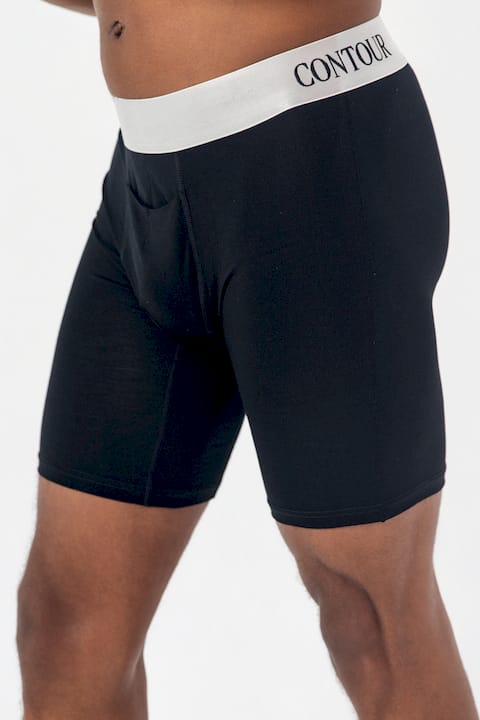
Most of the fit complaints covered above trace back to the same culprit: hems and fabric that can’t hold their shape through a full day. The Contour™ Signature Boxer Brief was engineered around that exact problem.
- A non-rising leg design keeps the hem anchored to your thigh instead of creeping up as you move.
- A tagless construction removes the one spot most men complain about scratching or irritating skin by midafternoon.
- Four-way stretch fabric provides a second-skin feel without the restriction you’d get from a stiffer, low-recovery knit.
- Breathable, lightweight material keeps the added leg coverage from turning into extra warmth.
Engineered hems and leg grips are increasingly common in premium boxer brief construction specifically because they limit rise during movement, and it’s the detail separating a boxer brief that lasts all day from one you’re adjusting by noon.
Pro Tip: If you’ve sworn off boxer briefs because of bunching, the cut probably wasn’t the problem. Try one built with engineered leg hems before you go back to briefs by default.
Does Your Body Type Change the Answer?
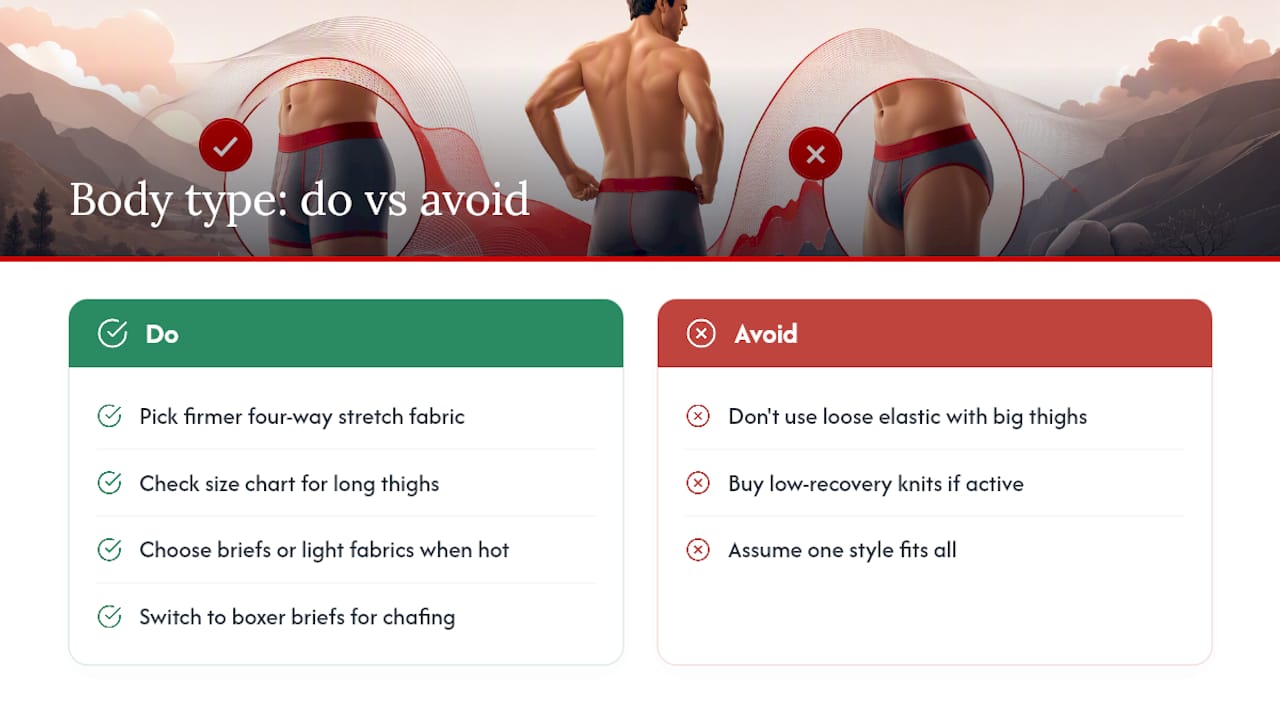
Body type shifts this decision more than most men expect. If you carry more muscle or size in your thighs, boxer briefs with looser, lower-quality elastic tend to ride up faster simply because there’s more thigh to fight against. A firmer four-way stretch fabric with real recovery handles that better than a basic cotton blend.
Taller men, or anyone with a longer thigh, sometimes find standard boxer briefs stop short of where they’d like the coverage to end, which is worth checking against a size chart before buying in bulk. Shorter or leaner builds usually have more flexibility to wear either style comfortably, since there’s less fabric-to-leg tension working against the garment.
Men who run warm, regardless of body size, often lean toward briefs or the lightest boxer brief fabrics available, since more skin exposure means more airflow. Men with sensitive skin or a history of thigh chafing, a common issue for anyone who walks a lot or works a physical job, tend to see the biggest comfort improvement switching from briefs to boxer briefs, independent of body size.
None of this makes one style universally right for a given build. It just means the fabric and construction quality matter more as body size or activity level increases, since there’s more force working against a weak waistband or a low-recovery knit.
An Editorial Take: Pick the Boring Default, Then Adjust
Most men overthink this decision. My honest recommendation: boxer briefs should be your default, and you reserve briefs for the specific days you need maximum support, like a heavy lift or a long run. I switch to briefs on leg day and back to boxer briefs for basically everything else, including travel days, since the anti-chafe benefit matters more sitting on a plane than people assume. The cut you choose matters less than most underwear marketing suggests. Fit and fabric quality decide whether either style actually delivers on its promise.
— Tim
Where to Find a Boxer Brief That Actually Stays Put
Everything covered above, the ride-up complaints, the chafing, the hunt for a fabric that doesn’t stretch out by week two, points to the same fix: a boxer brief built with real engineering behind the hem and fabric, not just a marketing label. Wearcontour built the Contour™ Signature Boxer Brief around exactly that gap.
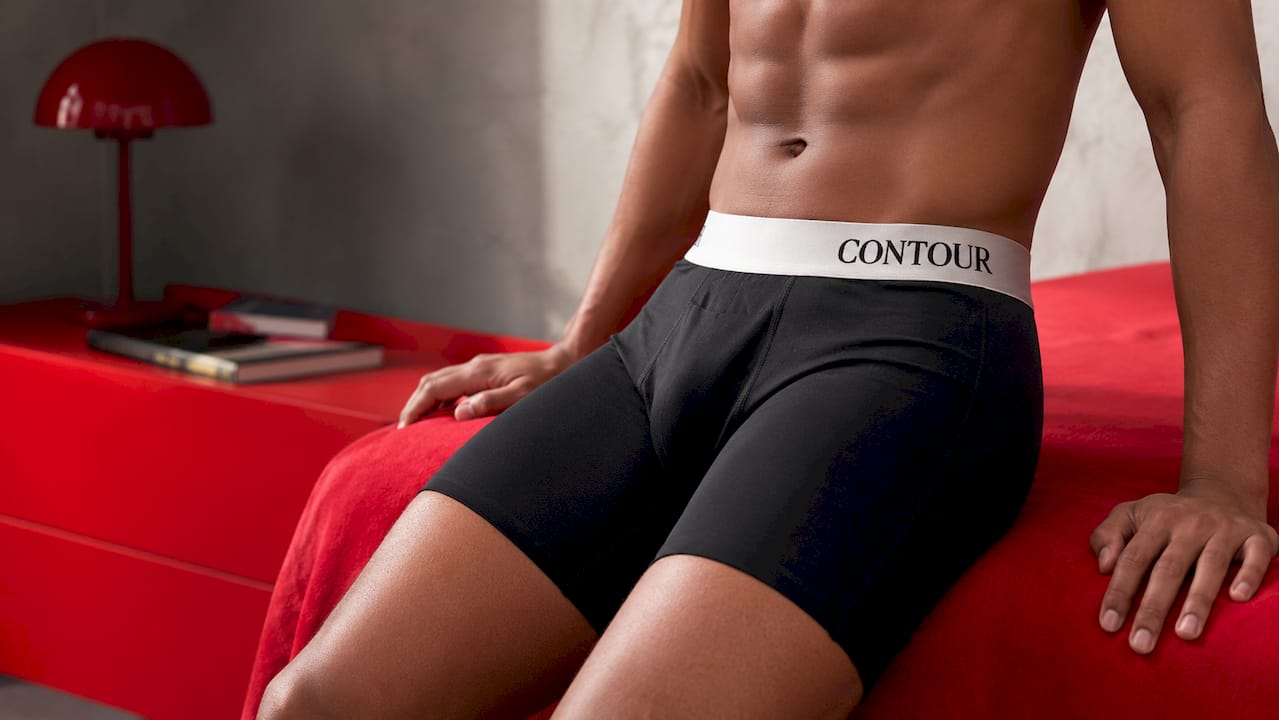
The non-rising leg keeps the hem from creeping up during a normal workday, the tagless design removes the one irritation almost every man complains about, and the four-way stretch fabric holds its shape wash after wash instead of going slack after a few weeks. Different size options and bundles are often available to replace your whole rotation at once. If your current boxer briefs bunch by noon, check the sizing guide and order the Contour™ Signature Boxer Brief to see the difference a properly engineered hem makes.
Sources
FAQ
What’s better, briefs or boxer briefs?
Boxer briefs are better for most everyday wear because they reduce thigh friction and give a smoother look under clothes, while briefs win when you need maximum support for high-impact activity.
Is it healthier for men to wear boxers or briefs?
Neither style has a proven health advantage for the average man; comfort, fit, and reduced chafing matter more day-to-day than the cut itself.
Do most guys wear boxers or briefs?
Preferences vary widely, but boxer briefs have become a common default for daily wear specifically because they combine the support of briefs with added thigh coverage.
What do the British call a bra?
In British English, the word “bra” is used the same way it is in American English; there’s no separate British term for the garment.
Should I size up or down in boxer briefs if they keep riding up?
Check the leg hem and fabric first since ride-up is usually caused by weak elastic or low-recovery fabric rather than the wrong size, and look for a non-rising leg design like the one used in the Contour™ Signature Boxer Brief.