
Today, Keep Butt Sweat From Showing With Dry Skin and Better Underwear
A practical way to reduce visible butt sweat through pants is to pat the area dry, dust on a light cornstarch-based or medicated powder, and change into a dry, moisture-wicking boxer brief or breathable layer. Use a paper towel or wipe, then dry the skin completely. If heavy sweating keeps happening, see a clinician about hyperhidrosis.
TL;DR:
- When sweat shows, blot skin dry without rubbing, apply a thin layer of cornstarch based or medicated powder, and change into dry, moisture wicking underwear.
- Moisture wicking synthetics dry faster than cotton, while relaxed, breathable pants and underwear that do not ride up reduce heat, rubbing, and trapped moisture.
- Use a thin zinc oxide or petrolatum barrier on clean, dry, unbroken skin when chafing is likely; get persistent or worsening rashes checked.
- Apply aluminum salt antiperspirant to dry skin at bedtime, test a small area first, and follow directions; deodorant mainly controls odor.
- See a clinician if sweating repeatedly soaks clothes, disrupts daily life, begins suddenly, or includes night sweats; prescription treatments depend on the cause.
Table of Contents
- Why does butt sweat happen in the first place?
- What can you do right now to stop sweat from showing?
- Which underwear and pants cut down on butt sweat?
- How do you protect your skin and prevent chafing?
- Can antiperspirants help, and when should you see a doctor?
- Why our Contour™ Signature Boxer Brief works for people who sweat through pants
- What I look for when testing underwear for butt sweat
- FAQ
- Sources
Why does butt sweat happen in the first place?
Your skin cools itself with eccrine sweat glands, and the seat area is no exception. Heat, exercise, stress and long stretches of sitting all push those glands to work, so butt sweat is common and usually not dangerous.
The trouble starts when sweat has nowhere to go. Tight, thick or non-breathable pants and underwear hold moisture against the skin and block evaporation. A long drive in a heavy pair of jeans is a classic setup: the fabric stays damp, and the dampness spreads outward until it shows.
Skin touching skin makes it worse. Moisture makes surfaces stick, and friction damages the skin barrier, which raises the odds of chafing and a rash called intertrigo. Warm, damp folds also invite yeast and bacteria to overgrow.
So the goal is not to cover the mark with another thick layer. It is to cut moisture at the skin, improve airflow and reduce rubbing.

What can you do right now to stop sweat from showing?
When you notice dampness, work through these steps in order. They fit in a restroom stall and need almost no gear.
- Head to a restroom and gently pat the area dry with paper towels. Blot, don’t rub.
- Dust on a thin layer of cornstarch-based or medicated body powder to absorb what remains.
- Put on a dry pair of underwear if you have one, preferably a moisture-wicking boxer brief.
- Stand and walk for a few minutes so air can reach the area, as Mayo Clinic guidance suggests.
- Loosen your belt or roll up a bulky outer layer to help moisture evaporate.
- When you sit again, place a small towel or absorbent pad underneath you.
Choose a cornstarch-based or medicated powder over a puffy, dusty talc if your skin is sensitive. Apply it sparingly, since a thick layer can clump when it gets wet.
A small kit helps: a spare pair of underwear, a pack of wipes, a travel-size powder and a few paper towels in a gym bag or desk drawer.
Pro Tip: Dry the skin by pressing, never scrubbing. Rubbing irritates the barrier and sets you up for the chafing you are trying to avoid.
Which underwear and pants cut down on butt sweat?

Fabric first. Cotton absorbs well and feels soft, but it can stay wet and cling. Moisture-wicking synthetics and blends move sweat outward and dry faster, which suits hot days, workouts and travel. Our guide on breathable versus wicking underwear walks through everyday scenarios, and our comparison of modal and cotton for men who sweat covers the trade-off between absorption and evaporation. For a deeper look at what to check on a label, see our underwear materials guide.
Fit matters just as much:
- Pick relaxed or straight-leg pants in a breathable fabric. Slim, heavy cuts trap heat against the seat.
- Choose underwear with a leg that stays put. A leg that rides up bunches, rubs and holds moisture in the crease.
- Skip underwear that is too tight. Compression squeezes sweat into the fabric instead of letting it escape.
- Keep a spare pair on hand, and favor quick-dry fabrics for travel or active days.
Color helps a little. Mid-tone grays and heathered patterns hide damp spots better than light gray or pale khaki, and black and white can be forgiving at disguising or revealing nothing, depending on the pair. Treat color as a backup, never your only plan, because a wet patch still means trapped moisture.
If you like natural fibers, this breathable summer robe guide shows how natural, airy fabrics keep you cooler at home.
How do you protect your skin and prevent chafing?
Sweat that sits against skin causes irritation, so the second job after drying is protection.
- For a thin barrier when chafing is likely, use a zinc-oxide or petrolatum product. Never apply it to open or broken skin.
- Cornstarch-based powder absorbs moisture, and medicated antifungal or antibacterial powders can help when a clinician or product label points that way.
- Dry fully after washing, then dress. Damp skin under fresh underwear starts the cycle again.
- Change damp underwear promptly, as Cleveland Clinic advises, so heat and moisture don’t progress to bacterial or fungal overgrowth.
- Get a rash checked if it persists or worsens, since intertrigo, yeast infection and inflammatory skin conditions can look alike and need different treatment.
For runners and other people prone to rubbing, this roundup of anti-chafing products is a useful reference for barrier options.
Pro Tip: Apply barrier products to clean, fully dry skin in a thin layer. A thick coat traps heat and can make you feel stickier.
Can antiperspirants help, and when should you see a doctor?
Yes. Antiperspirants with aluminum salts reduce sweating, while deodorants mainly address odor, a distinction the American Academy of Dermatology draws clearly. Dermatologists advise applying antiperspirant to dry skin at bedtime, because dry skin means less irritation and better results. Follow the product directions and test a small area first, since skin in this region can be sensitive.
If over-the-counter products fall short, a clinician has more to offer. According to the American Academy of Dermatology, treatment starts with an accurate diagnosis, and options include prescription-strength antiperspirants, medicated cloths or gels, botulinum toxin injections for focal areas and, in some cases, oral medications.
Book a medical visit when you notice any of these:
- Sweating that repeatedly soaks your clothing or disrupts your day
- A sudden change in how much you sweat
- Unexplained night sweats
- Sweat that is distressing or far beyond what heat or activity explains
- A painful rash, swelling, pus, discoloration or a persistent new odor
A clinician may review your timing, triggers and medications, and sometimes order tests, because treatment depends on the cause. If you have severe or unusual symptoms, talk to a doctor rather than relying on powder and clothing changes alone.
Why our Contour™ Signature Boxer Brief works for people who sweat through pants
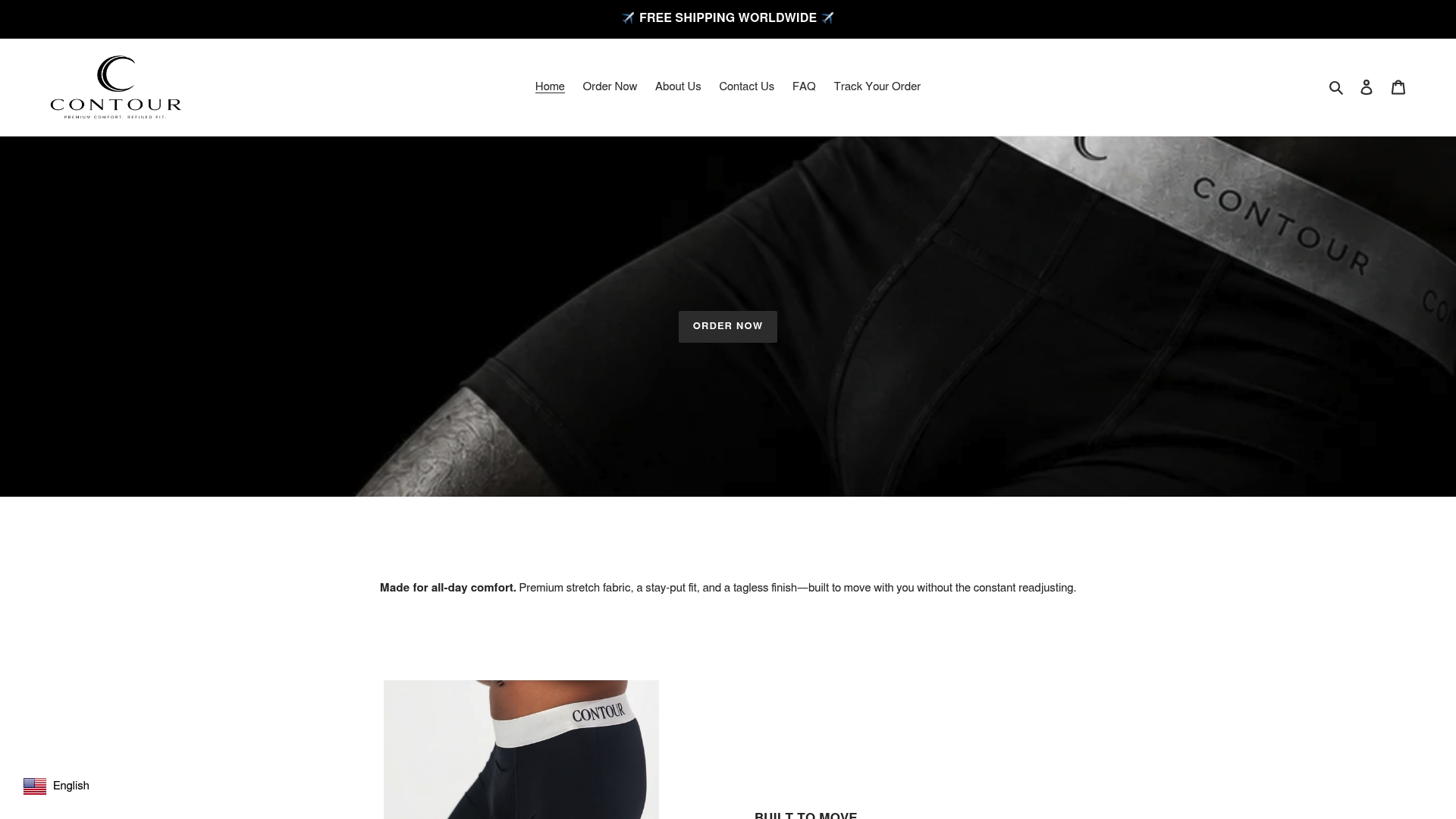
We built the Contour™ Signature Boxer Brief around the fit problems that make sweat worse. Our non-rising leg is designed to stay in place, which means less bunching and less rubbing in the crease where moisture collects.
- The breathable, stretchy fabric moves with you and feels like a second skin.
- The tagless finish removes one more source of irritation.
- The fit holds up wash after wash, so the comfort lasts.
For hot days, grab a multipack and keep a spare pair in your bag. Each pair is $19.99, and you can see sizes and bundles on our product page. Pick up a few pairs, wear one through your next warm commute and see how the fit changes your day.
What I look for when testing underwear for butt sweat
I judge a pair by whether I stop thinking about it by midday. The leg that stays down is the detail I notice most: when nothing rides up, there’s less bunching and rubbing. Fabric gets the credit, but fit does the quiet work. If you want to go deeper, our guides on materials and breathability lay out the comparisons, and I’d like to hear what keeps you dry, so try a few options and see what holds up for you.
— Tim
This article is general information, not a substitute for advice from a qualified doctor. Consult a qualified healthcare professional about your own circumstances before acting on anything here.
FAQ
How can I treat buttock sweating?
Start with moisture control: pat the skin dry, use an absorbent powder and wear breathable or moisture-wicking underwear. If that isn’t enough, an antiperspirant applied to dry skin at bedtime can reduce sweat, and a clinician can discuss stronger treatments for excessive sweating.
What color shows sweat the least?
Mid-tone and heathered fabrics tend to hide damp spots better than light gray or pale colors. Color only masks the problem, so pair it with breathable fabric and a relaxed fit.
Am I unhealthy if I sweat easily?
Not necessarily. Sweating is a normal way to cool down, and it isn’t automatically a sign of poor health. Sweating that soaks your clothing, starts suddenly or comes with night sweats deserves a medical evaluation.
Is it normal for bum sweat to smell?
Often, yes. Sweat itself can be odorless, but it can develop an odor when it mixes with skin bacteria or yeast, as Cleveland Clinic explains. A persistent new odor, a painful rash or swelling is a reason to see a clinician.
Sources
- Hyperhidrosis - Symptoms and causes - Mayo Clinic
- Intertrigo: What Is It, Causes, Symptoms & Treatment
- Nhs
- Doralhw