
Men Who Sweat: Modal or Cotton Underwear, Micromodal's 10 Micron Edge
Modal wins for most men chasing softness, a “second skin” feel, and faster sweat drying. Cotton wins on easy care, wallet-friendly pricing, and clinical guidance for sensitive skin. Neither fiber matters as much as fit and construction, which is why the Contour™ Signature Boxer Brief pairs a modal-like feel with a non-rising leg design built to actually stay put.
TL;DR:
- Modal underwear provides a softer, silkier feel and faster moisture drying, making it ideal for hot days and intense workouts.
- Cotton remains more durable, affordable, and tolerant of higher wash temperatures, but it absorbs moisture longer and may feel damp during active use.
- Proper fit and construction, such as non-rising legs and seamless designs, play a more crucial role in comfort and staying put during wear than fiber type alone.
- Gentle washing routines and avoiding high heat or bleach extend the lifespan of modal fabrics, unlike cotton, which is more resilient to tough laundry conditions.
- Clinical guidance recommends cotton for sensitive skin contact areas, but fabric choice should be balanced with fit, construction, and specific daily needs.
Table of Contents
- Modal vs Cotton Underwear: The Quick Comparison
- Why Does Modal Feel Softer Than Cotton?
- Which Fabric Keeps You Drier: Cotton or Modal?
- How Should You Wash Modal vs Cotton Underwear?
- What Underwear Do Gynecologists Recommend?
- Is Modal or Cotton Better for the Environment?
- How Do You Choose Between Modal, Cotton, or a Blend?
- How Wear Contour Applies These Fabric Lessons
- A Shopper’s Take on Building Your Underwear Drawer
- Ready to Try a Boxer Brief Built Around Fit, Not Just Fabric?
- Sources
- FAQ
Modal vs Cotton Underwear: The Quick Comparison
Modal and cotton solve different problems, and the right pick depends on which problem you actually have. Cotton is the fiber you already know: durable, breathable in loose weaves, and tolerant of hot washes. Modal is a newer entrant to underwear drawers, prized for a smoother hand feel and better moisture handling, but it demands gentler laundry care.
Here’s how the two stack up across the concerns that actually drive a purchase:
- Softness: Modal feels silkier against skin; cotton feels more “textile,” especially in budget grades.
- Moisture management: Modal wicks and dries faster; cotton absorbs well but stays damp longer.
- Breathability: Both perform well in loose knits; a lightweight cotton brief can actually feel cooler than a dense modal one.
- Durability: Modal resists pilling; cotton (especially long-staple) holds shape and color with good care.
- Care: Cotton tolerates a wider range of wash temperatures; modal requires gentler, cooler washing.
- Price: Cotton is typically cheaper; modal often carries a premium.
- Sustainability: Both have trade-offs tied to sourcing and processing, not one clean winner.
Modal itself is a rayon subclass, a regenerated cellulose fiber. Micromodal is simply a finer-spun version of it, which is what gives premium underwear that silky feel. Most underwear isn’t 100% of either fiber. One labeling note worth knowing: modal must legally be identified separately from generic “rayon” on fiber content tags, since it’s a distinct rayon subclass with its own performance profile.
Why Does Modal Feel Softer Than Cotton?
Modal’s advantage starts at the fiber level, not the finishing process. Micromodal fibers run about 10 microns in diameter, dramatically finer than typical cotton fibers. Finer fibers pack more fiber ends into each yarn’s cross-section, which creates a smoother, rounder surface against skin instead of the slightly coarser texture cotton fibers produce. That’s the physical reason testers keep describing modal underwear as feeling like a “second skin” rather than fabric you’re wearing.
Fiber alone doesn’t finish the job, though. How that yarn gets knitted matters just as much. A dense, heavyweight knit can make even 100% modal feel less plush than a lightweight, well-constructed cotton fabric, and seamless knitting techniques reduce friction points regardless of which fiber you start with. Grams-per-square-meter (GSM) and knit density are the specs worth checking on a product page, not just the fiber name in the label.
Modal’s lower bending stiffness also means fewer sharp fiber ends catching on skin, which is why it shows up so often in seamless or chafe-sensitive underwear designs. Men with sensitive skin, eczema-prone areas, or a history of seam irritation along the waistband or thigh tend to notice the difference within the first wear, not after a dozen washes.
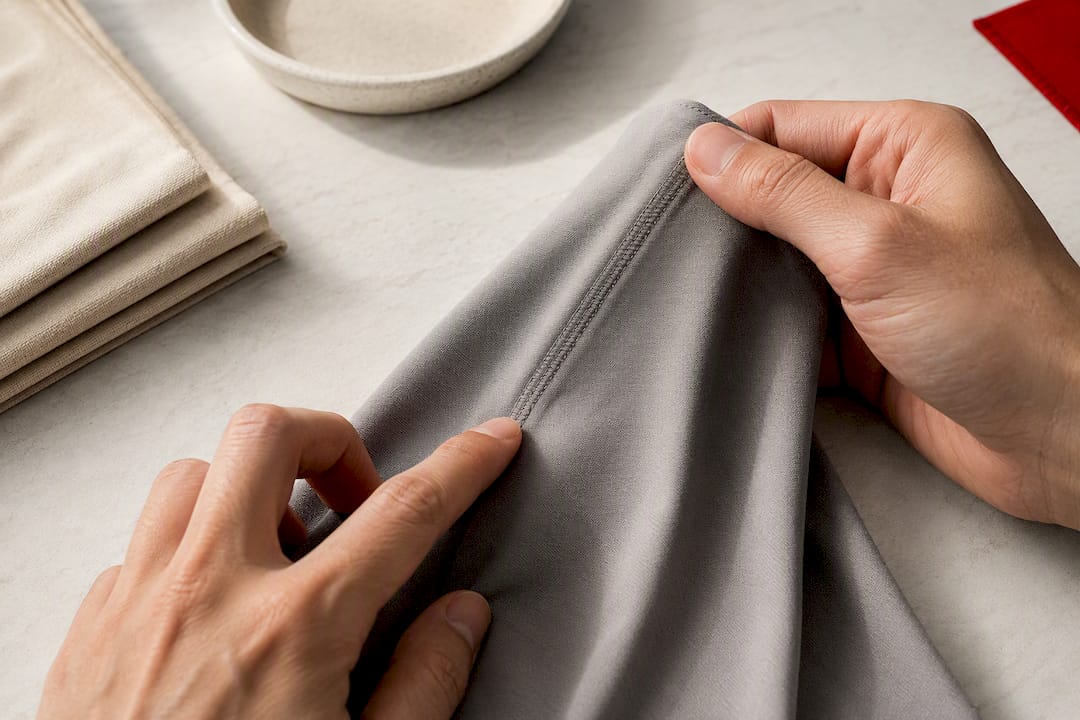
Pro Tip: If you’re chafe-prone, check for a modal or micromodal blend AND a flatlock or bonded seam. Fiber softness gets undone fast by a scratchy seam sitting right where your thigh moves.
Which Fabric Keeps You Drier: Cotton or Modal?
Modal generally keeps you drier during the day because it moves moisture off skin faster than cotton does. The difference traces back to moisture regain, a textile measurement of how much water a fiber absorbs relative to its dry weight. Micromodal shows a moisture regain of 11 to 13%, compared to cotton’s 7 to 8.5%. Counterintuitively, that higher regain doesn’t mean modal stays wetter. It means modal pulls moisture through the fabric structure and releases it to evaporate faster, while cotton tends to hold liquid closer to skin longer before it evaporates.
In practice, that plays out like this:
- Light daily wear: Both fabrics perform fine; differences are barely noticeable.
- Workouts or high-sweat days: Modal (or modal/spandex blends) dries faster and reduces that clammy, damp feeling by evening.
- Hot, humid climates: Modal’s faster evaporation gives it an edge for all-day comfort.
- Cold or dry climates: Cotton’s slower drying matters less, and its breathability can feel just as good.
Breathability isn’t purely a fiber contest, though. It’s a construction contest too. A loosely knit, lightweight cotton brief can breathe better than a dense, heavier modal boxer brief, because airflow depends on how open the knit is, not just what it’s spun from. A snug or overly tight fit traps heat and moisture no matter which fabric surrounds it.
If you sweat heavily during workouts or live somewhere hot, modal or a modal/spandex blend is the safer default. If you’re mostly sitting at a desk in a mild climate, cotton’s breathability holds up fine, and you save some money in the process.
How Should You Wash Modal vs Cotton Underwear?
Cotton is the tougher, more forgiving fabric in the laundry room. Modal needs a gentler touch to last.
Cotton tolerates hot water, including sanitizing washes at higher temperatures, and it can handle bleach when needed for stains or odor control. That toughness is part of why cotton has stayed a wardrobe staple for generations. Modal is more particular: it typically calls for wash temperatures between 86 and 104°F (30 to 40°C), and high heat or bleach can damage the fiber structure and shorten its lifespan.
Where modal pulls ahead is long-term hand feel. It resists pilling better than cotton and, with proper care, tends to hold onto that original softness wash after wash rather than turning stiff or scratchy. Cotton, particularly lower-grade cotton, can fade and stiffen over repeated hot washes, though long-staple cotton varieties like Pima or Supima narrow that gap considerably and hold color better than standard cotton.
A simple care routine keeps either fabric performing longer:
- Wash modal in cold or warm water (86 to 104°F); wash cotton in warm to hot water depending on soil level.
- Skip bleach on modal entirely; use it sparingly on cotton only when needed.
- Air dry when possible, or use low heat in the dryer for both fabrics.
- Turn garments inside out before washing to reduce surface friction and pilling.
- Avoid fabric softener buildup on moisture-wicking blends, since it can coat fibers and reduce wicking performance.
What Underwear Do Gynecologists Recommend?
Clinical guidance in this space is narrower than marketing copy suggests. The American College of Obstetricians and Gynecologists and the CDC specifically name cotton for the crotch panel in underwear designed for vulvar contact. Modal hasn’t been specifically evaluated or endorsed in that same guidance, which doesn’t mean it performs worse. It means the research and recommendations simply haven’t caught up to a newer fiber.
Public-health guidance points to cotton for the panel that contacts sensitive skin directly, largely because it’s breathable, well-studied, and unlikely to trap heat and moisture the way tighter synthetic weaves can. That’s a specific, scoped recommendation, not a blanket verdict against modal or synthetic blends everywhere else in a garment.
Worth knowing: neither cotton nor modal is naturally antibacterial. Odor and infection risk come down primarily to moisture buildup, fit, and how often you change and launder your underwear, not the fiber itself. If you deal with recurring irritation, yeast infections, or heat rash, cotton-paneled underwear is the evidence-backed default. When symptoms persist regardless of fabric choice, that’s a conversation for a clinician, not a shopping decision.
Is Modal or Cotton Better for the Environment?
Neither fiber gets a clean sustainability win. Cotton is a natural fiber grown from the cotton plant, but conventional cotton farming can demand heavy water use and pesticide input depending on region and farming method. Modal is a regenerated cellulose fiber made from beechwood pulp, a semi-synthetic process that turns wood into fiber through chemical processing.
The real difference-maker is how each fiber gets processed, not just what it started as:
- Closed-loop modal production (Lenzing’s TENCEL Modal is the best-known example) recovers and reuses the solvents used to dissolve wood pulp, cutting chemical waste significantly compared to older rayon processes.
- Organic or regeneratively farmed cotton reduces pesticide and water impact versus conventional cotton, though it typically costs more.
- OEKO-TEX certification confirms a fabric is tested for harmful substances, relevant to both fibers.
- GOTS certification applies specifically to organic fibers and verifies both environmental and social production standards.
The fiber name on a tag tells you almost nothing about how responsibly it was made. A branded, certified modal or a certified organic cotton will usually outperform an uncertified version of either fiber on real environmental impact. If sustainability drives your purchase, read past “modal” or “cotton” on the label and look for the certification logos underneath it.
How Do You Choose Between Modal, Cotton, or a Blend?
Match the fabric to your actual daily priority, not to whichever one sounds more premium on a product page.
- Softness is your top priority: Choose modal or a modal-spandex blend. It delivers the closest thing to a bare-skin feel available in everyday underwear.
- You sweat heavily or work out often: Choose modal for faster drying, or a moisture-wicking cotton blend if you prefer cotton’s price point.
- You have sensitive skin or recurring irritation: Choose cotton, particularly for the panel closest to skin, following clinical guidance.
- Easy care matters most: Choose cotton for its tolerance of hot washes and general durability.
- Budget is the deciding factor: Choose cotton, which is typically the more affordable option across most brands.
Fit interacts with fabric more than most shoppers expect. A boxer brief in modal that rides up all day undoes every softness advantage the fiber offers, while a well-constructed cotton boxer brief with a stable leg opening can outperform a poorly cut modal one. Construction and seam placement often matter more for comfort than fiber alone.
When you’re comparing products, skip past the marketing language and check three things directly: the fiber content percentage, the fabric weight (GSM) if listed, and the actual size guide rather than guessing your usual size.
Pro Tip: Buy one pair before committing to a multipack, even when the bundle discount looks tempting. Fit varies enough between brands that a size that’s perfect in one line runs snug or loose in another.
How Wear Contour Applies These Fabric Lessons
The comfort problems this comparison keeps circling back to, riding up, bunching, chafing seams, are fit problems as much as fiber problems. That’s exactly what the Contour™ Signature Boxer Brief was built to solve.
Its design stays put through movement instead of creeping up your thigh by midafternoon, addressing the exact complaint that undoes even the softest fabric. The tagless construction removes the one seam most men complain about first, the waistband label that scratches after a few washes. Stretch delivers a close, second-skin feel testers associate with premium modal blends, without sacrificing the recovery and shape retention men need for all-day wear. The breathable, lightweight fabric is engineered to hold its fit and softness through repeated washing, addressing durability concerns that separate lower-quality underwear from garments you’ll actually reach for a year later.
Fiber quality got this comparison started. Fit and construction are what actually keep a pair of boxer briefs in your regular rotation.
A Shopper’s Take on Building Your Underwear Drawer
Most men don’t need to pick a side between modal and cotton. Keep both in rotation and assign them by use case: modal or modal blends for workouts, hot days, and anything worn under tighter clothing where a smooth line matters; cotton for everyday low-key wear, sleep, and situations where you want the most forgiving, easy-care option in the drawer.
Wash modal on the cooler, gentler cycle and let it air dry when you can. It’ll reward you with a longer softness lifespan. Save your hottest, toughest washes for the cotton pairs.
If there’s one thing worth remembering above the fiber debate: construction and fit determine daily comfort more than the label ever will. A great fabric in a poorly built garment still bunches, rides up, and disappoints by noon.
— Tim
Ready to Try a Boxer Brief Built Around Fit, Not Just Fabric?
Cotton and modal each have a real case, but the fabric conversation only gets you halfway to comfortable underwear. The other half is construction, and that’s where the Contour™ Signature Boxer Brief does its work.
It combines a breathable, four-way stretch fabric with a non-rising leg that stays in place through a full day of movement, no bunching, no adjusting, no midafternoon tug. The tagless design removes the one seam that ruins soft fabric for most men, and the construction is built to hold its shape and softness wash after wash rather than breaking down after a few months. If you’re not sure which size to grab, check the size guide before you order, since fit is exactly what separates underwear you tolerate from underwear you forget you’re wearing. Browse the Contour™ lineup and pick your size to get started.
Sources
- Micromodal vs Cotton Underwear: Fiber Data, Microbial Behavior, and FTC Labeling
- Cotton vs Modal Underwear: Which Fabric Is Better for Comfort, Breathability, and Daily Wear?
- Cotton vs Modal: Which Innerwear Fabric Suits You Best? - Clovia Blog
FAQ
What Is the Healthiest Fabric for Underwear?
Cotton is the fabric named specifically by public-health guidance for the panel that contacts sensitive skin, mainly for its breathability and track record. Modal is a strong option elsewhere in a garment but hasn’t been specifically evaluated in that same clinical guidance.
Is It Healthy to Wear Modal Underwear?
Yes, for most men modal is a perfectly healthy choice, especially for moisture management during exercise or hot weather. It simply hasn’t received the same specific clinical endorsement cotton has for direct vulvar contact.
What Underwear Do Gynecologists Recommend?
ACOG and the CDC point to cotton for the crotch panel in underwear, largely due to its breathability and long history of use. Neither fiber is naturally antibacterial, so laundering habits and fit matter just as much as fabric choice.
What Are the Disadvantages of Modal Fabric?
Modal requires gentler washing, typically 86 to 104°F, and can’t handle bleach or high heat the way cotton can. It also tends to cost more than cotton and, in some cases, wears less predictably than certified long-staple cotton over years of heavy use.
Should I Buy Modal or Cotton Boxer Briefs?
Choose modal or a modal blend if softness and sweat management top your list, and cotton if easy care and budget matter most. Either way, prioritize fit and construction, like the non-rising leg design in the Contour™ Signature Boxer Brief, since that determines daily comfort more than fiber choice alone.