
Tagless Underwear for Men: 3 Ways It Reduces Irritation
Tagless underwear removes one common source of irritation, the scratchy sewn label, but it does not guarantee all-day comfort on its own. Comfort also depends on flat seams, a well-built waistband, breathable fabric, and correct fit, a point REI’s guidance on hiking underwear and the Mayo Clinic’s advice on skin irritation both support. We built the Contour™ Signature Boxer Brief around that fuller picture rather than the tag alone.
TL;DR:
- Heat transfer labels can develop raised edges as adhesive wears, while direct printing tends to stay flatter; inspect the label area after washing.
- Tagless construction helps most during active movement, under tight clothing, and while sleeping; its benefit is smaller when loose clothes reduce friction.
- Persistent rash, spreading irritation, painful urination, unusual discharge, or lasting odor warrant clinical advice; underwear changes do not treat inflammatory skin conditions.
- Choose flatlock seams, a flexible waistband, and fabric suited to activity; test a new pair for a full day within 24 to 72 hours.
Table of Contents
- What “tagless” actually means on the label
- The comfort benefits tagless underwear actually delivers
- What doctors say about underwear and skin irritation
- How to choose tagless underwear that actually works
- Caring for tagless underwear so it stays comfortable
- How the Contour™ Signature Boxer Brief follows this checklist
- What surprised me testing tagless underwear
- FAQ
- Sources
What “tagless” actually means on the label
Not all tagless underwear is made the same way, and the method matters more than the marketing term suggests.
Manufacturers use three main approaches:
- Removed sewn tag: the fabric label is cut off during production, leaving a clean, flat seam with no residue.
- Heat-transfer label: brand and size information is pressed onto the fabric using heat and adhesive, which can feel smooth at first but may stiffen or peel slightly after repeated washing.
- Direct print: ink is printed straight onto the fabric interior, usually producing the flattest, most durable result over time.
For most wearers, any of these methods feels better than a stitched tag. For people with very sensitive skin, the difference between methods becomes more noticeable. Heat-transfer labels can develop a slightly raised edge as the adhesive wears unevenly, and that edge can rub in the same way a tag once did, just less sharply. REI’s expert advice notes that inspecting the interior construction, not just the absence of a tag, gives a better sense of how a garment will actually wear.
Before buying, check product photos closely for the label area and read the description for words like “heat-transfer,” “printed,” or “tag-free.” After the first wash, run a finger over the label zone. If you feel a ridge or stiffness, that pair is more likely to irritate over months of wear, even though it technically qualifies as tagless.
The comfort benefits tagless underwear actually delivers
The clearest benefit is the removal of localized scratching. A sewn tag concentrates friction in one small spot, usually at the center back of the waistband, and that friction repeats with every movement. Taking the tag out of the equation removes that specific irritant, which is why REI recommends tagless waistbands and flat seams as two of the features that most improve comfort during activity.
Tagless construction matters most in three situations, according to REI’s expert advice: during active movement when fabric shifts against skin repeatedly, under tight-fitting dress clothes where there is little room to adjust, and during sleep when you are not consciously repositioning a tag that has started to dig in.

In lower-friction situations, like sitting at a desk in loose clothing, the benefit is smaller since there is less repeated contact to begin with.
Tagless alone does not solve bunching, chafing from seams, or a waistband that digs in. Those depend on flat seam construction, a waistband that sits without rolling, and a fabric with enough stretch to move with you. Tagless is one piece of a larger comfort system, not the whole system.
What doctors say about underwear and skin irritation
Medical guidance is more cautious than marketing copy tends to be, and it is worth understanding the difference before assuming tagless underwear will fix a persistent problem.
The Mayo Clinic’s guidance on contact dermatitis recommends identifying the actual trigger behind skin irritation rather than assuming one design feature solves every case. Breathable, properly fitting garments help people whose itching worsens with heat or sweat, but fit and fabric often matter more than label style. The American College of Obstetricians and Gynecologists similarly notes that clothing choices can reduce friction around sensitive skin but are not a treatment for inflammatory skin conditions. The Urology Care Foundation’s information on varicoceles points out that certain underwear styles, like supportive briefs, can ease specific urologic symptoms, which underscores that underwear advice is often condition-specific rather than universal.
A few signs mean it is time to see a clinician instead of switching underwear styles again:
- A rash that persists for more than a few days despite changing detergent or fabric.
- Irritation that spreads beyond the original contact area.
- Pain or burning during urination.
- Unusual discharge or persistent odor.
Pro Tip: Change one variable at a time, fabric, detergent, or fit, so you can actually tell what helped.
How to choose tagless underwear that actually works
Picking a pair that lives up to the tagless claim means checking a short list of features before you buy, not just scanning for the word “tagless” in the title.
- Confirm your size first. A pair that is too tight will irritate regardless of label method, and too loose causes its own friction from shifting fabric.
- Look for a non-rising leg design. Legs that creep up during the day force constant readjustment, which creates new friction points.
- Check for flatlock seams. These sit nearly flush with the fabric instead of creating a raised ridge against skin.
- Favor a thin, flexible waistband. A thick elastic band that doesn’t flex with movement tends to dig in by midday.
- Match the fabric to your sensitivity. Cotton and modal blends breathe well for all-day wear, while added stretch (often from elastane) helps the garment move with you instead of against you.
Your priorities shift depending on what you are doing:
- Daily wear: prioritize breathable fabric and a non-rising leg over anything else.
- Workouts: prioritize moisture-wicking stretch fabric and flatlock seams to handle repeated motion.
- Travel or long days: prioritize a waistband that holds shape without rolling, since you likely won’t be adjusting it often.
Our guide to choosing fabric by activity breaks this down further if you want more detail on when wicking fabric beats plain breathable cotton.
When shopping online, zoom into interior photos for seam and label detail, read the fabric composition in the description, and check the return policy before buying in bulk. Wear a new pair for a full day within the first 24 to 72 hours of purchase. That window is usually enough to tell whether the waistband rolls, whether seams rub during normal movement, and whether the label area stays flat after one wash.

Caring for tagless underwear so it stays comfortable
How you wash tagless underwear affects how long the comfort benefits actually last, since heat, agitation, and certain detergents can degrade label finishes and fabric stretch over time.
- Wash in cool or warm water, not hot, to protect elastane stretch and any heat-applied label.
- Skip fabric softener. It coats fibers and reduces the breathability that makes tagless fabric comfortable in the first place, a point consistent with Mayo Clinic’s guidance on managing skin irritation.
- Use a gentle, sensitive-skin detergent. Purecise’s guide to detergents for eczema-prone skin covers options that rinse clean without leaving residue behind in seams or waistbands.
- Air dry or use low heat. High dryer heat is one of the fastest ways to break down stretch recovery and loosen label adhesive.
- Retire a pair once the waistband loses its snap or the label area feels raised. That is usually the first sign of irritation returning.
If a pair starts bothering you after months of regular wear, our guide to fixing underwear seam irritation walks through quick fixes before you write the pair off entirely.
How the Contour™ Signature Boxer Brief follows this checklist
We designed the Contour™ Signature Boxer Brief around the same features this guide recommends checking for, rather than relying on the tagless label alone to carry the comfort claim.
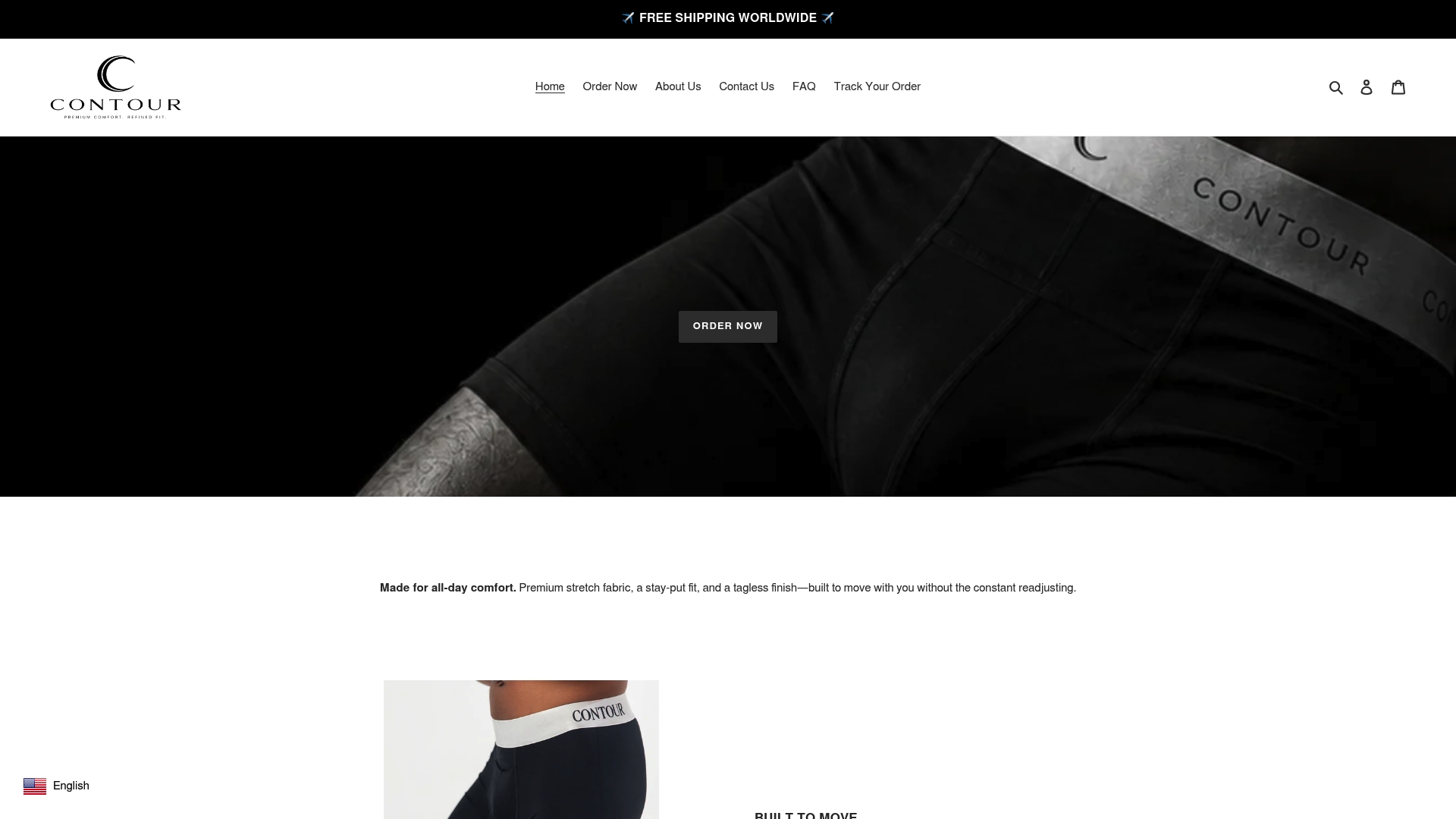
- Tagless finish designed to stay flat through repeated washing.
- Non-rising leg design that stays in place during wear instead of creeping up and forcing constant readjustment.
- Breathable, stretch fabric built to move with you rather than bunch or restrict.
- Fit that holds up wash after wash, maintaining comfort over time.
| Checklist item | How the Contour™ Signature Boxer Brief addresses it |
|---|---|
| Tagless construction | Tagless finish designed to stay flat through wash cycles |
| Non-rising leg | Non-rising leg design stays in place through the day |
| Fabric and stretch | Breathable four-way stretch fabric for a second-skin feel |
| Durability | Built to maintain fit and softness through repeated washing |
If you want to see how the full design holds up against the checklist above, the Contour™ Signature Boxer Brief product page has the full breakdown, and you can start with a single pair at Wearcontour before committing to a multipack.
What surprised me testing tagless underwear
Testing a pair takes about three days: one normal wear day, one wash, and one wear day after washing to see what changed. That second wear day is where most surprises show up.
The biggest surprise was how differently heat-transfer labels age compared to printed ones. A label that felt perfectly smooth out of the package sometimes developed a faint ridge after two or three washes, exactly where REI’s advice on label inspection suggests checking. Waistband bulk was the other recurring issue: a thicker band looked more supportive on the shelf but dug in by the afternoon, while thinner bands that seemed flimsy at first held up better through a full day of movement.
Fabric blends matter more than most buyers expect. Cotton-heavy blends breathe well but stretch less, while modal and elastane blends move more but need gentler washing to keep their recovery. If you want a deeper look at fiber content and elastane ratios, our guide to underwear materials covers that trade-off in more detail, and our activity-based buying guide is worth a read if you’re still narrowing down what matters most for your own routine.
— Tim
FAQ
What is the healthiest underwear to wear?
There is no single fabric or style that qualifies as universally healthiest. The Mayo Clinic’s guidance points to fit, breathability, and avoiding excess pressure as the factors that matter most for preventing irritation, regardless of brand or label style.
Can you tell if someone is going commando?
This depends heavily on the specific clothing and fit involved, and it isn’t a question underwear research or clinical sources address. If visible lines or printing through fabric are a concern, well-fitted, seamless underwear generally reduces visible outlines compared to bulkier styles.
What underwear do gynecologists recommend?
Guidance from the American College of Obstetricians and Gynecologists focuses on reducing friction and irritation around sensitive skin rather than endorsing a specific brand. Breathable fabric and a comfortable fit are typically emphasized over any particular style.
What underwear do urologists recommend?
The Urology Care Foundation’s guidance on varicoceles notes that supportive brief-style underwear can help ease symptoms for certain conditions, such as varicocele-related discomfort. Recommendations vary by condition, so underwear choice is best discussed with a clinician if you have a specific urologic concern.
Are tagless underwear actually better than tagged ones?
For most wearers, yes, tagless designs remove a common point of localized scratching that sewn tags create. That said, overall comfort still depends on seam type, waistband design, and fabric, so tagless alone isn’t a guarantee of all-day comfort.
Sources
- How to choose hiking underwear | REI Expert Advice
- Symptoms and causes - Mayo Clinic
- Diagnosis and Management of Vulvar Skin Disorders | ACOG
- Varicoceles | Urology Care Foundation