
6 Steps to Measure Your Waist, When Hip Matters and Contour™ Sizing
Wrap a soft tape around your natural waist, the crease that shows when you bend gently to one side, keeping it level and parallel to the floor. Exhale normally, leave room for one finger under the tape, and write down the number. Then match that measurement against the brand’s size chart rather than guessing from your jeans size.
TL;DR:
- Measuring your natural waist crease with a soft tape ensures accuracy, especially when keeping the tape level and accounting for room to move.
- For high-rise underwear, use your natural waist measurement, while hip measurements are more important for low-rise styles and thongs.
- Take two consecutive measurements and verify in a mirror to prevent tilted or tight tapes, discarding any inconsistent readings.
- Match waist and hip measurements to the brand’s specific size chart, sizing up if measurements fall between two options for greater comfort.
- For the Contour™ Signature Boxer Brief, rely on the waist measurement for fit, as its non-rising leg design maintains position through movement.
Table of Contents
- How Do You Measure Your Waist for Underwear at Home?
- Where to Measure for Low, Mid, and High-Rise Styles
- How to Verify Your Waist Measurement Is Accurate
- Matching Your Measurements to a Size Chart
- Wear Contour Sizing Guidance for the Contour™ Signature Boxer Brief
- A Straight Answer on Fit From Someone Who’s Seen Every Measurement Mistake
- Get the Right Fit With the Contour™ Signature Boxer Brief
- Sources
- FAQ
How Do You Measure Your Waist for Underwear at Home?
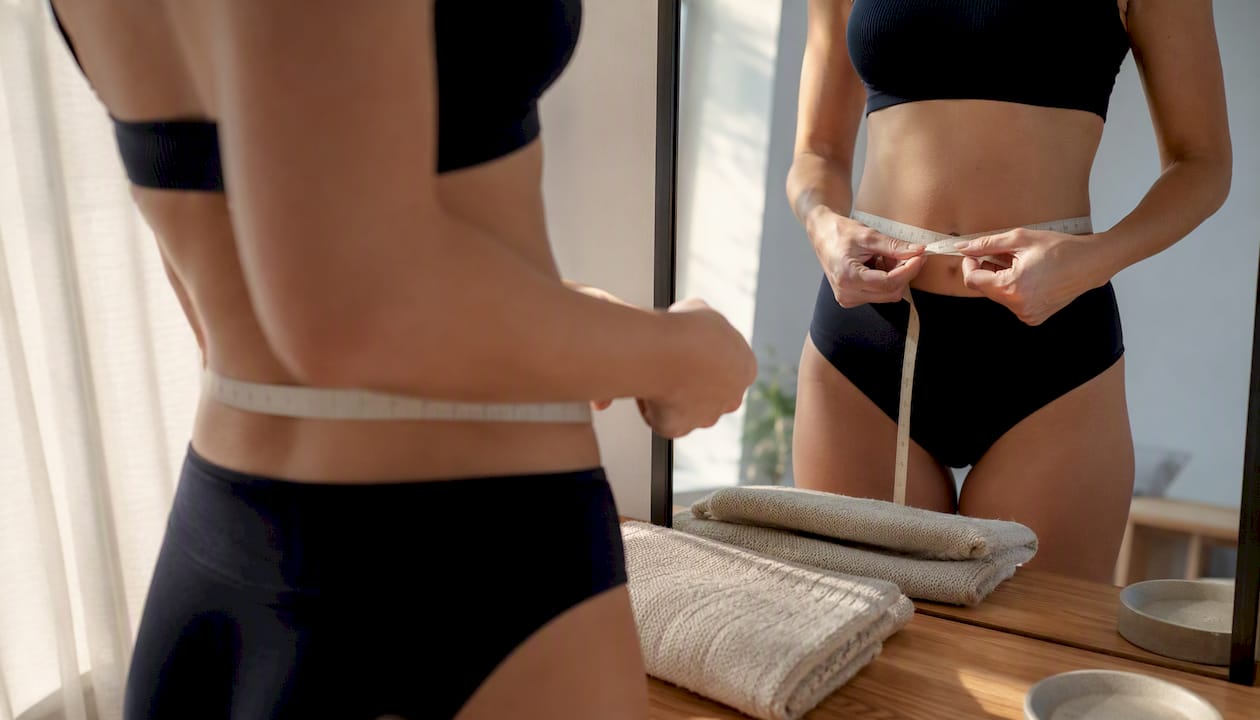
You need three things: a soft tailor’s tape (not the rigid metal kind from a toolbox), a mirror or a second set of eyes, and thin clothing or nothing at all around your midsection. Bulky fabric adds inches you don’t actually have.
Find your natural waist first. Bend gently to one side and look for the crease that forms. That’s the line brand charts are usually built around, and it corroborates what most underwear size charts use as their reference point. If you’re shopping low-rise styles, you’ll measure lower later, but start here.
Wrap the tape around that line, snug but not pulling into your skin. Keep it level all the way around. A tape that dips in the back or rides up on one hip will throw off your number by an inch or more. Exhale normally (not sucked in, not puffed out) and slide one finger between the tape and your body before you read the number. That finger of ease matters because underwear elastic needs room to move with you, not just sit flat.
Here’s the sequence to follow:
- Locate your natural waist crease by bending to one side.
- Wrap the tape around that line, keeping it parallel to the floor.
- Exhale normally and leave one finger of space under the tape.
- Read the number where the tape meets zero.
- Repeat the whole process a second time to confirm.
- Record both readings before checking a size chart.
Pro Tip: Do this in front of a mirror the first time. You’ll catch a tilted tape immediately, and that habit carries over every time you remeasure down the road.
Where to Measure for Low, Mid, and High-Rise Styles
The waistband’s actual resting point changes which measurement matters most. A high-rise brief that sits at your belly button needs your natural waist number. A thong that rides low on your hips needs a completely different reference point.
- High-rise briefs and shapewear: Measure at the natural waist. This is your primary number, and it’s what keeps a high-rise band from rolling down.
- Mid-rise styles: Measure roughly where the fabric currently sits on a similar pair you own, usually an inch or two below the natural waist.
- Low-rise and thongs: Measure lower, near the hip bones, where the fabric will actually rest. Hip girth tends to drive fit more than waist here.
- Period underwear and shaping pieces: Lead with the waist measurement and lean toward sizing up for comfort, since these styles often use denser fabric with less give.
Get the rise wrong and you’ll size a low-rise thong off your natural waist. That’s a common reason people end up with underwear that gaps at the hip or feels too tight where it actually sits.
How to Verify Your Waist Measurement Is Accurate
A tilted tape, a too-tight pull, or thick clothing underneath will all skew your number. Check the tape in a mirror before you read it. If it’s crossing at an angle instead of running level, start over.
- If your two readings differ by more than half an inch, take a third measurement instead of averaging the bad one.
- Confirm the tape isn’t compressing skin. You should see a slight indent, not a groove.
- Once your underwear arrives, run a quick movement test: walk around, squat, then sit for a few minutes.
Watch for the waistband rolling at the top, leg openings digging into your thighs, or the whole thing shifting when you stand back up. Any of those signs after the movement test points to sizing up or trying a different rise.
Pro Tip: If the tape keeps slipping while you measure, tape one end lightly to your skin with a piece of removable tape. It sounds silly, but it keeps the reading level while you check the number in the mirror.
Matching Your Measurements to a Size Chart
Most brand charts list two rows: waist and full hip. Find where your waist number falls, then find where your hip number falls, and compare the two.
For most briefs and everyday styles, the fullest hip measurement is the stronger starting point, since hip girth largely determines whether the underwear stays in place. Waist measurement then tells you whether that same size will feel snug, loose, or prone to rolling at the band.
- If your waist and hip point to different sizes, start from the hip number for briefs, boxers, and everyday cuts.
- For high-rise or shaping styles, lean on the waist number instead, since that’s the primary contact point.
- Falling between two sizes on a brand’s chart? Size up. A slightly loose fit is more comfortable than a band that digs in by hour three.
As an illustrative example only: an average waist and hip measurement might land you in a size Large on many US charts, while a smaller hip for the same waist could land in Medium. Every brand’s ranges differ, so treat this as a pattern to expect, not a fixed rule.
Wear Contour Sizing Guidance for the Contour™ Signature Boxer Brief
The Contour™ Signature Boxer Brief is built around a non-rising leg, meaning the fabric holds its position through the day instead of creeping up with movement. For this style, your natural waist measurement is the number that matters most, since the waistband sits at that line and the leg design does the rest of the work.
- Check your waist number against the Wear Contour size guide before ordering.
- The tagless, four-way stretch fabric gives some flexibility if you’re between sizes, but sizing up is still the safer call if you want a looser feel.
- Run the same movement test after delivery: walk, squat, sit, and check that the leg openings stay put without digging.
- If your measurement lands right on a size line, the brief’s stretch construction tends to favor comfort rather than a tight fit.
A Straight Answer on Fit From Someone Who’s Seen Every Measurement Mistake
Most fit complaints trace back to one thing: someone measured over jeans, pulled the tape too tight, or skipped the second reading entirely. Take your waist measurement twice, run the movement test once your underwear arrives, and if you’re genuinely unsure between two sizes, order both and keep whichever fits. Wear Contour’s customer support and size guide exist for exactly this reason. Use them.
— Tim
Get the Right Fit With the Contour™ Signature Boxer Brief
Once you’ve got your waist number, the harder part is finding underwear that actually respects it all day. Most boxer briefs bunch, ride up, or need constant adjusting by early afternoon, no matter how carefully you measured. The Contour™ Signature Boxer Brief was built specifically to solve that: a non-rising leg that stays put through walking, sitting, and everything in between, a tagless waistband so there’s nothing scratching at the exact line you just measured, and four-way stretch fabric that moves with your body instead of fighting it.
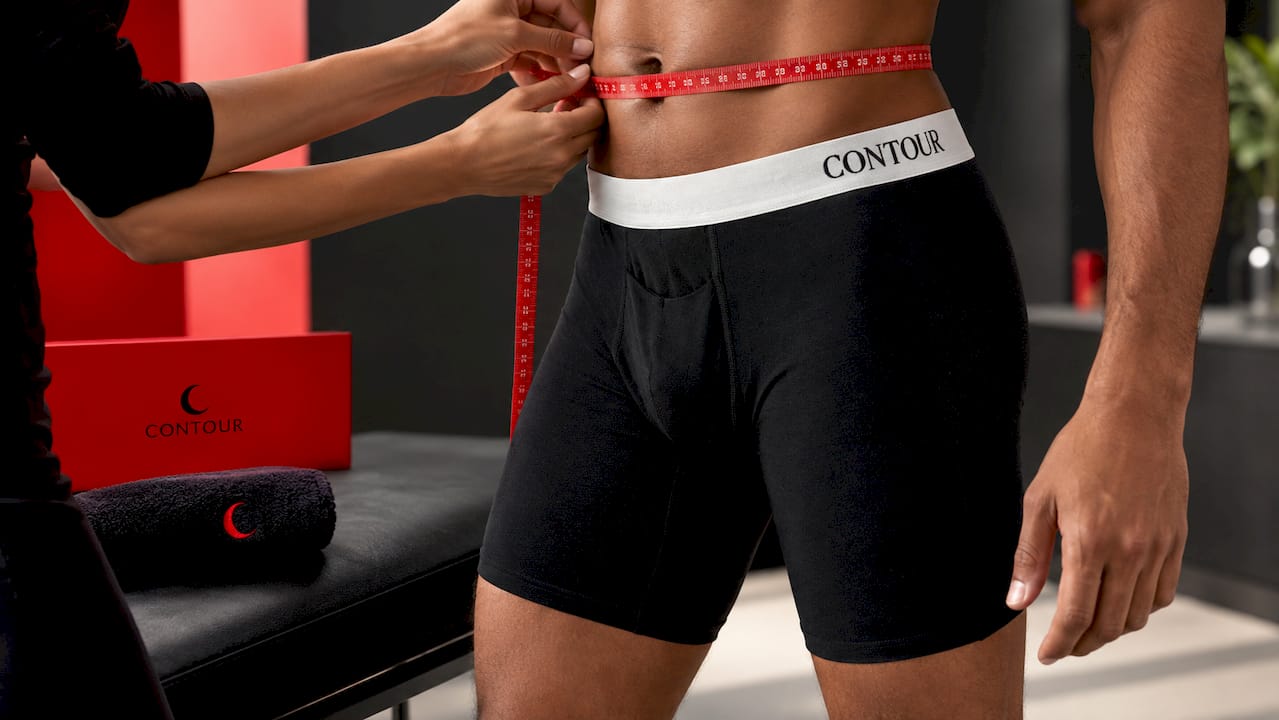
Match your waist measurement against the Wear Contour size guide for the exact conversion, then head to the product page to order. Current prices are on the pricing page. Visit Wearcontour to see the full sizing and catalog options.
Sources
- How to measure for panty size: Size, Fit & Measurement Guide
- Underwear size chart: Women’s Underwear Sizes
Every brand sizes differently, so always cross-check against that specific brand’s own chart before you order.
FAQ
How Do I Know My Waist Size for Underwear?
Measure around your natural waist, the crease that appears when you bend gently to one side, keeping the tape level and reading it after a normal exhale. Compare that number to the waist row on the brand’s size chart rather than relying on your pants size, since underwear sizing runs differently.
What Size Underwear Should I Wear With a 34 Inch Waist?
An average waist typically falls in a Large on many US charts, though the exact match depends on your hip measurement too. Check both your waist and full hip numbers against the specific brand’s chart, since ranges shift from one label to the next.
Is a 32 Inch Waist Actually 32 Inches?
Yes, when you measure correctly, the number on the tape should reflect your actual waist circumference at the natural crease. Sizing confusion usually comes from clothing labels using vanity sizing, not from the measurement itself, so trust the tape over the tag.
Is a 28 Inch Waist Big or Small?
A smaller waist sits on the smaller end of most adult sizing charts, often landing in a Small or Extra Small depending on the brand and your hip measurement. Since hip girth often drives fit for briefs and boxers, check both numbers before assuming a size from the waist alone.
What’s the Best Way to Choose Between Two Sizes?
Size up when your measurement falls between two ranges on a chart, since a slightly loose fit beats a waistband that digs in after a few hours. For the Contour™ Signature Boxer Brief specifically, check your waist number against the Wear Contour size guide and lean toward the larger size if you’re between two options.