
Find Your Count: 14 Pairs Is the Sweet Spot for Men's Underwear
Most men should own between 7 and 30 pairs of underwear, with 14 hitting the sweet spot for a typical week of laundry. The simple rule: count the days between laundry loads, then add a few extra pairs as a buffer for travel or missed wash days. Change underwear daily regardless of how many pairs you own, since fresh underwear keeps skin dry and reduces irritation.
TL;DR:
- Men with irregular laundry schedules or high sweat levels should own at least 18 to 26 pairs to avoid re-wearing and discomfort.
- Quality underwear with resilient construction can extend lifespan and reduce the need for frequent replacement, even with daily wear.
- Seasonal changes and travel conditions demand adding 3 to 5 extra pairs in your rotation to maintain hygiene without stress.
- Washing habits significantly impact underwear durability; cold water and air drying help preserve elasticity and fabric integrity longer.
- Most men own around 14 pairs but only keep about four in good rotation, highlighting a replacement gap rather than insufficient quantity.
Table of Contents
- Recommended underwear counts by lifestyle
- How to calculate your ideal number
- When to replace underwear and how washing affects lifespan
- How fabric and fit change your rotation needs
- What better construction actually changes
- Briefs, boxers, and boxer briefs: how style affects your count
- Adjusting your underwear count by season and travel
- What the numbers actually tell us
- Try the Contour™ Signature Boxer Brief
- Sources
- FAQ
Recommended underwear counts by lifestyle
The right number depends less on preference and more on how often you do laundry and how much you sweat. A guy who washes clothes weekly needs a different count than someone who travels three weeks a month.
- Minimalist (does laundry every 5 to 7 days): 7 to 10 pairs covers a full week with a spare or two for laundry delays.
- Typical routine (laundry every 7 to 10 days): 12 to 15 pairs, with a stylist-recommended baseline of about 14 pairs working well for most men.
- Active or heavy sweater (workouts, physical labor, hot climates): 15 to 21 pairs, since sweat-soaked underwear should come off right after activity rather than waiting for the next scheduled change.
- Frequent traveler (irregular laundry access): 21 to 30 pairs, enough to avoid hand-washing in a hotel sink or running out mid-trip.
Laundry cadence drives most of this math. If you wash clothes every five days, a 10-pair rotation gives you a full change plus backup. If two weeks pass between loads, you need closer to 20 to avoid rewearing anything.
Sweating changes the equation even when laundry stays consistent. Someone who works out daily or spends summers in a hot climate soaks through underwear faster and needs extra pairs on hand rather than stretching one pair across a sweaty day and a dry one.
Hygiene stays constant across every bucket. Change underwear daily at minimum, and change again after a workout, a humid commute, or anything that leaves fabric damp, since wearing underwear at least daily helps prevent bacterial buildup and irritation.
How to calculate your ideal number
Skip the guesswork with a formula: (days between laundry loads times pairs worn per day) plus a buffer of 3 to 5 pairs for travel, gym bags, or a missed wash day.
- Weekly laundry: 7 days times 1 pair a day equals 7, plus a 3-pair buffer, lands you at 10 pairs.
- Biweekly laundry: 14 days times 1 pair equals 14, plus a 4-pair buffer, puts you around 18 pairs.
- Frequent traveler with irregular laundry access: budget for 14 to 21 days without a wash, so 14 to 21 pairs plus a 5-pair buffer lands between 19 and 26 pairs.
The formula only works if the pairs themselves hold up. A stretched-out waistband or fabric that bunches after a few washes forces you to buy more, more often, which defeats the purpose of calculating a number in the first place. Quality pairs that keep their shape let you own fewer and replace less.
Pro Tip: Rotate pairs in the order you buy them rather than grabbing favorites first. Even wear across your rotation means every pair ages at roughly the same rate, so you replace them in batches instead of piece by piece.
When to replace underwear and how washing affects lifespan
Underwear does not last forever, and most men hold onto pairs well past their useful life. Watch for a few clear signs that it is time to retire a pair.
- Visible holes or thinning fabric, especially at seams or high-friction areas.
- A waistband that has lost its snap and slides down instead of staying put.
- Persistent odor that survives a wash, which usually means the fabric has broken down at a fiber level.
- A fit that no longer matches your body, from either the garment stretching out or your own build changing.
Washing habits affect how fast you hit those signs. Cool water, a gentle cycle, and air drying when possible all reduce the friction and heat that break down elastic and fabric over time. High heat from a dryer is often the biggest culprit in waistbands losing their grip early.
Despite owning a stated average of around 14 pairs total, the average American reports keeping only about four pairs in genuinely good rotation, meaning the rest have already slipped past the point most men should have replaced them. That gap is a wear-and-replace problem as much as a laundry-cadence one: a bigger drawer does not help if most of it is worn out.
How fabric and fit change your rotation needs
Fabric quality determines how often you sweat through a pair and how long that pair stays comfortable. Breathable, moisture-wicking materials keep skin dry through a workday, while cheaper synthetic blends trap heat and moisture, which raises the odds you will want to change mid-day anyway.
- Breathable fabrics reduce the moisture buildup that leads to irritation, aligning with medical guidance recommending breathable materials and daily changes.
- Waistband resilience matters more than most men realize. A band that loses elasticity within a few months forces early replacement regardless of how the fabric held up.
- Leg rise and anti-ride construction cut down on the mid-day adjusting that makes a perfectly good pair feel unwearable.
A stylist-recommended annual wardrobe audit is a practical habit here. Once a year, pull every pair and retire anything that has lost elasticity, developed odor, or stopped fitting the way it did when new.
What better construction actually changes
Underwear built with a non-rising leg design stays in place through a full day of movement instead of requiring constant adjustment, which is the core feature behind the Contour™ Signature Boxer Brief. The tagless construction removes a common irritation point, and the breathable stretch fabric is built to hold its shape through repeated washing rather than losing elasticity after a few months.
Fewer pairs replaced each year, less mid-day fidgeting, and a fit that survives the wash cycle instead of degrading with it.
That combination matters more than raw pair count. A drawer of 10 pairs that hold their shape beats a drawer of 20 that need replacing within a year.
Briefs, boxers, and boxer briefs: how style affects your count
The cut you choose changes both comfort and how many pairs you actually need in rotation. Briefs run smaller and cheaper per pair, which tempts some men to buy in bulk, but a tight, unsupportive fit often means more frequent adjusting and faster fabric breakdown at the seams.
Boxers offer more airflow and tend to run more comfortable in hot weather, though looser construction can mean more shifting throughout the day, which some men solve by simply owning more pairs to swap out when one feels off.
Boxer briefs split the difference: coverage similar to boxers with the support of briefs, and a non-rising leg design (like the Contour™ Signature Boxer Brief) minimizes the bunching that would otherwise push someone toward buying extra backup pairs. If a specific cut consistently causes discomfort, that is a fit problem to solve with better construction, not a quantity problem to solve by buying more of the same.

Whichever style you land on, consistency in your rotation makes the math from the earlier formula easier. Mixing three different cuts and fits across your drawer makes it harder to judge wear patterns and know when pairs need replacing.
Adjusting your underwear count by season and travel
Hot weather and long trips both push your ideal number higher than your baseline lifestyle bucket suggests. Summer heat means more sweating, and sweat-soaked underwear should come off well before the end of the day rather than waiting for a scheduled change, which naturally increases how many pairs you burn through in a given week.
Travel adds a different kind of pressure. Laundry access becomes unpredictable, and a trip that runs longer than expected can leave you short if you packed for exactly the number of days you planned. A reasonable approach is packing your normal daily count plus 3 to 5 extra pairs for any trip longer than a few days, and doubling that buffer for international travel where laundry facilities may not be available at all.

Cold-weather months generally ease the pressure, since less sweating means pairs stay fresh longer and laundry cadence can stretch a bit without any hygiene tradeoff. Some men use this seasonal shift to rotate in a smaller, lighter set of underwear for summer and a slightly larger set for winter, spreading wear more evenly across the year instead of running one set through every season.
What the numbers actually tell us
The real lesson buried in the research is not about hitting a specific number, it is about the gap between pairs owned and pairs actually usable. Reports showing men own around 14 pairs but keep only about four in good rotation point to a replacement problem, not a shopping problem.
Most advice fixates on the count because it is easy to give a number. The harder, more useful advice is to buy fewer pairs of better quality and replace them on a schedule instead of letting them quietly degrade until you notice you are down to four favorites. A 10-pair rotation of durable underwear beats a 20-pair drawer where half the pairs have lost their waistband.
If you take one thing from this guide, prioritize fit and construction before you worry about hitting a specific number. The right count is whatever keeps you in clean, comfortable underwear without digging for the one good pair left in the drawer.
— Tim
Try the Contour™ Signature Boxer Brief
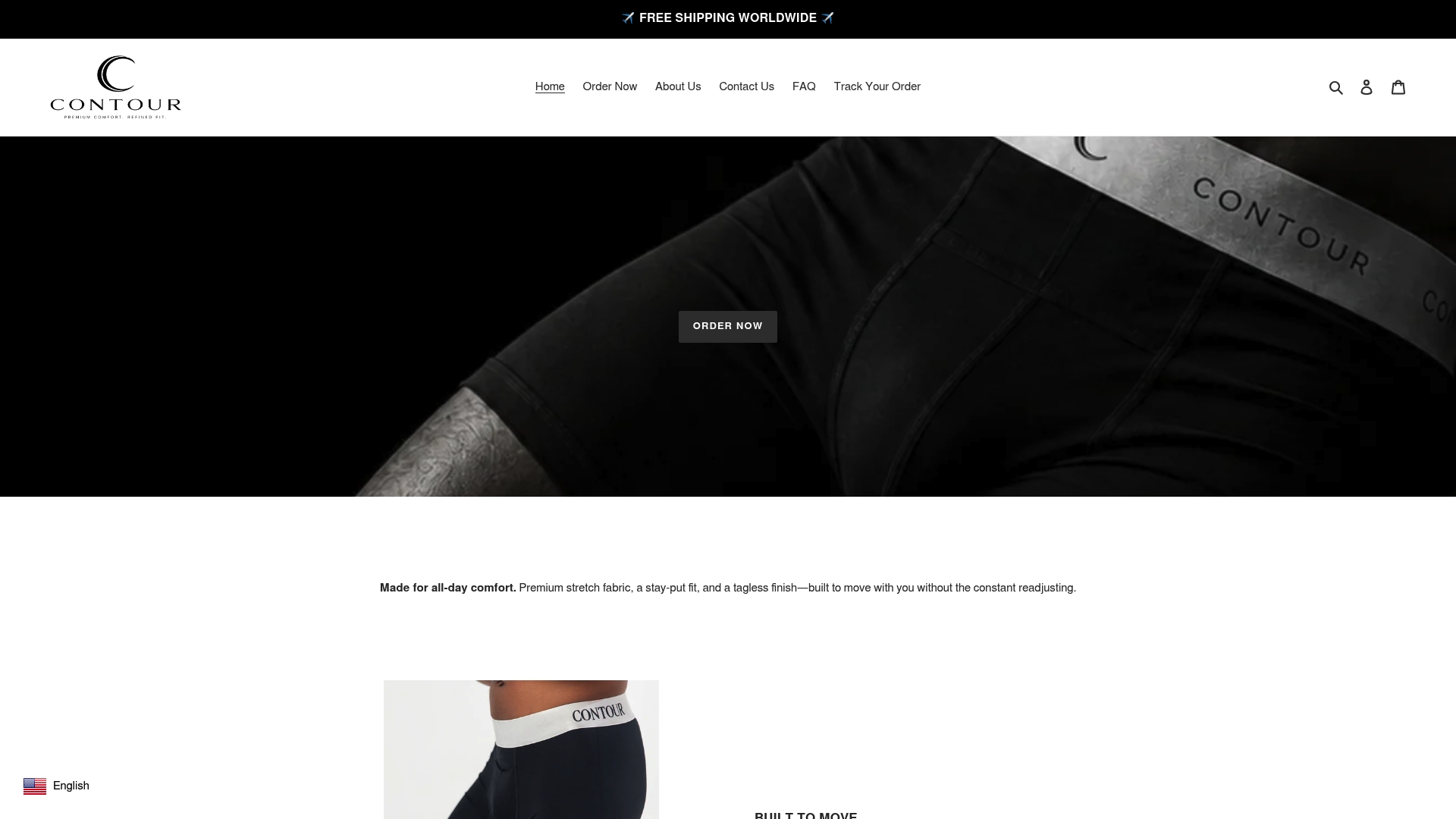
If your current rotation is full of pairs that ride up, lose their band, or need constant adjusting, that is a construction problem worth solving before buying more of the same. The Contour™ Signature Boxer Brief uses a non-rising leg and tagless design built to stay comfortable through a full day and hold its shape through repeated washing.
- Start with a multipack to rebuild your rotation at once rather than replacing pairs one at a time.
- Check the size guide before ordering to get the fit right on the first try.
- Priced at $19.99 per pair, available directly through Wear Contour.
Sources
- Best material for underwear — Cleveland Clinic
- How often should you buy new underwear — GQ
- Average American has 4 ‘good’ pairs of underwear in rotation — StudyFinds
FAQ
How many underwear should a guy have?
Most men do well with 10 to 15 pairs for a typical weekly laundry routine, adjusting upward for heavy sweating or frequent travel. A practical baseline many experts cite is around 14 pairs for someone doing laundry every one to two weeks.
How many pairs of underwear does the average man have?
Men report owning close to 14 pairs on average, though only about four of those tend to still be in good enough condition for regular wear. That gap usually comes down to delayed replacement rather than an actual shortage of pairs.
Is 20 pairs of underwear too much?
Not necessarily. Twenty pairs suits men with irregular laundry access, heavy travel schedules, or high sweat levels from workouts or hot climates, though someone with weekly laundry and a sedentary routine likely does not need that many.
Is it okay to wear the same underwear for 4 days?
No. Underwear should be changed daily to keep skin dry and reduce the risk of irritation or bacterial buildup, since medical guidance recommends daily changes and breathable fabrics. Wearing the same pair for multiple days without washing raises the odds of odor, irritation, and skin problems.