
Skip Fabric Softener for Underwear, Except 100% Cotton
Skip fabric softener on underwear in almost every case. It coats fibers with a waxy film that dulls moisture-wicking, weakens elastane, and traps odor over time, according to fabric-care guidance from brands like ALBERT KREUZ. The lone exception is plain 100% cotton, and even then a vinegar rinse or a gentler detergent usually does the job better. Wear Contour builds its underwear to stay comfortable wash after wash without needing softener at all.
TL;DR:
- Fabric softener causes residue buildup that reduces moisture-wicking, weakens elastane, and promotes odor retention in underwear, especially with performance fabrics.
- Softener damage is most severe on elastane, polyester, and blended fabrics; 100% cotton underwear generally tolerates it better, though a gentle wash often suffices.
- Washing underwear with cold water, a gentle detergent, vinegar rinses, and air drying prevents softener-related issues without sacrificing comfort.
- Underwear designed with durable, breathable fabrics and construction, such as Wear Contour’s Boxer Briefs, can stay soft wash after wash without softener use.
- Testing any new fabric or product on a single pair and avoiding overloading the washer minimizes residue accumulation and extends garment lifespan.
Table of Contents
- Why Fabric Softener Underwear Combinations Cause Problems
- Does Fabric Softener Affect Every Underwear Fabric the Same Way?
- How Do You Wash Underwear Without Fabric Softener?
- Wear Contour’s Approach to Low-Maintenance Underwear
- Is Skipping Fabric Softener Really Worth the Trade-Off?
- Get Underwear That Skips the Softener Problem Entirely
- Sources
- FAQ
Why Fabric Softener Underwear Combinations Cause Problems
Fabric softener works by coating fibers with cationic surfactants, positively charged compounds that cling to the negatively charged surface of fabric and leave behind a thin, waterproof layer. That’s the whole trick behind the softness and static reduction you feel after a wash. Downy’s own product documentation confirms this is the intended mechanism: the conditioning agents are designed to stick around on the fabric, not rinse away completely.
For a bath towel, that coating is mostly harmless. For underwear, it’s a problem, because underwear needs to move moisture away from skin, not trap it against a waxy film.
Expert consensus among textile-care specialists is clear on this point: fabric softener reduces breathability, causes elastic to lose its rebound, and creates the conditions for lingering odor, since the coated fibers can’t fully dry between wears or washes.
Here’s what that residue actually does over time:
- Blocks the wicking channels in cotton and synthetic blends, so sweat sits on skin longer
- Coats elastane fibers, making them stretch out and rebound more slowly
- Builds up wash after wash, compounding the breathability loss
- Creates a moisture trap that can support bacterial growth in high-contact fabric, contributing to smell that survives a normal wash
Statistic Callout: Manufacturer and fabric-care guidance consistently flags elastane and performance blends as the fabrics most vulnerable to softener damage, warning that residue buildup shortens garment lifespan, according to ALBERT KREUZ. The elastic in your waistband and leg openings is exactly the part paying the price.
Does Fabric Softener Affect Every Underwear Fabric the Same Way?
No. The damage depends heavily on what the underwear is made of, and treating every fabric the same is where most people go wrong.
100% cotton is the one place softener does the least harm, mostly because there’s no elastane to degrade and less synthetic fiber to coat. Even so, it’s rarely necessary. A gentle detergent and air drying keep cotton soft without adding residue you’ll eventually have to strip back out.
Cotton-elastane blends, polyester, and performance synthetics are where softener does real damage. The stretch fibers lose rebound faster, and moisture-wicking synthetic fabric stops wicking the moment it’s coated. This is the category most modern underwear falls into, including anything marketed as four-way stretch or moisture-wicking.
Modal, TENCEL, and merino blends need caution too. These fibers already have a soft, smooth hand on their own, and softener can flatten that texture while cutting into the breathability that makes them worth buying in the first place.
A quick checklist before you reach for the softener cap:
- Read the care label first. Many performance and stretch underwear labels explicitly say “no fabric softener.”
- Test on one old pair before treating your whole rotation.
- Default to a no-softener routine for anything with elastane, spandex, or a wicking claim.
- When in doubt, treat the garment like a stretch blend, not like a cotton tee.
How Do You Wash Underwear Without Fabric Softener?
You don’t need softener to keep underwear feeling good. A short, consistent routine gets you there and protects elastic at the same time.
- Sort by fabric weight. Keep delicate blends separate from heavier cotton items so the wash cycle doesn’t overwork the lighter fabric.
- Use a gentle detergent formulated for delicates. Skip anything with built-in softening agents, since those carry the same coating problem in a different bottle.
- Wash in cold water on a gentle or delicate cycle. Heat accelerates elastane breakdown regardless of what detergent you use.
- Add underwear to a mesh delicates bag to cut down on friction and stretching against zippers or rougher fabrics.
- Add a half cup of white vinegar to the rinse cycle instead of softener. Vinegar breaks down soap and mineral residue and neutralizes odor without leaving a coating behind, a swap laundering guides recommend specifically for underwear care.
- Skip the dryer’s high heat. Air dry or use the lowest tumble setting, and reshape elastic waistbands while the fabric is still damp.
If you’re already dealing with softener buildup on older underwear, you can strip it out. Rewash with detergent only, no softener, on the hottest water the fabric tolerates. Add a cup of white vinegar during the rinse, then run a second rinse cycle to flush out any remaining residue. Air dry, and repeat once if the fabric still feels waxy or smells off after wearing.
Pro Tip: Rotate your underwear across a bigger stack instead of rewashing the same three pairs constantly, and don’t overload the washer. Both habits reduce wear on elastic and cut down on how often you’re fighting residue buildup in the first place.
Wear Contour’s Approach to Low-Maintenance Underwear
Some underwear is built to need softener as a workaround for cheap fabric. Wear Contour takes the opposite approach: engineer the construction so softener was never necessary to begin with.
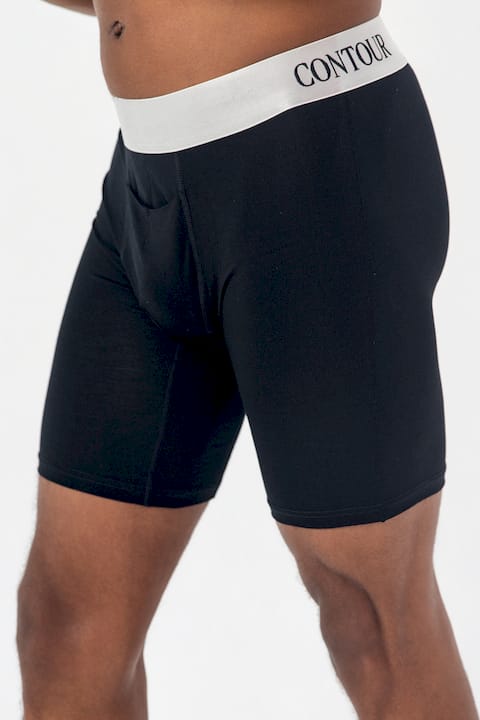
The Contour™ Signature Boxer Brief is built around a few specific claims worth knowing before you buy:
- A non-rising leg designed to stay in place without bunching or riding up during the day
- A tagless design that eliminates the irritation points traditional waistbands and labels create
- Breathable fabric intended to stay comfortable through repeated washing
- Stretch construction built to hold its shape wash after wash, according to Wear Contour’s own product claims
That construction matters directly for the softener question. A boxer brief engineered to keep its stretch and breathability through the wash cycle doesn’t need a chemical coating to feel soft on day 40. It’s built to still fit the way it did on day one, using fabric and stitching choices instead of a rinse-cycle shortcut.
Is Skipping Fabric Softener Really Worth the Trade-Off?
Short-term softness is an easy sell. Long-term breathability and elastic health are the trade you’re actually making, and most people don’t realize it until their favorite underwear stops bouncing back.
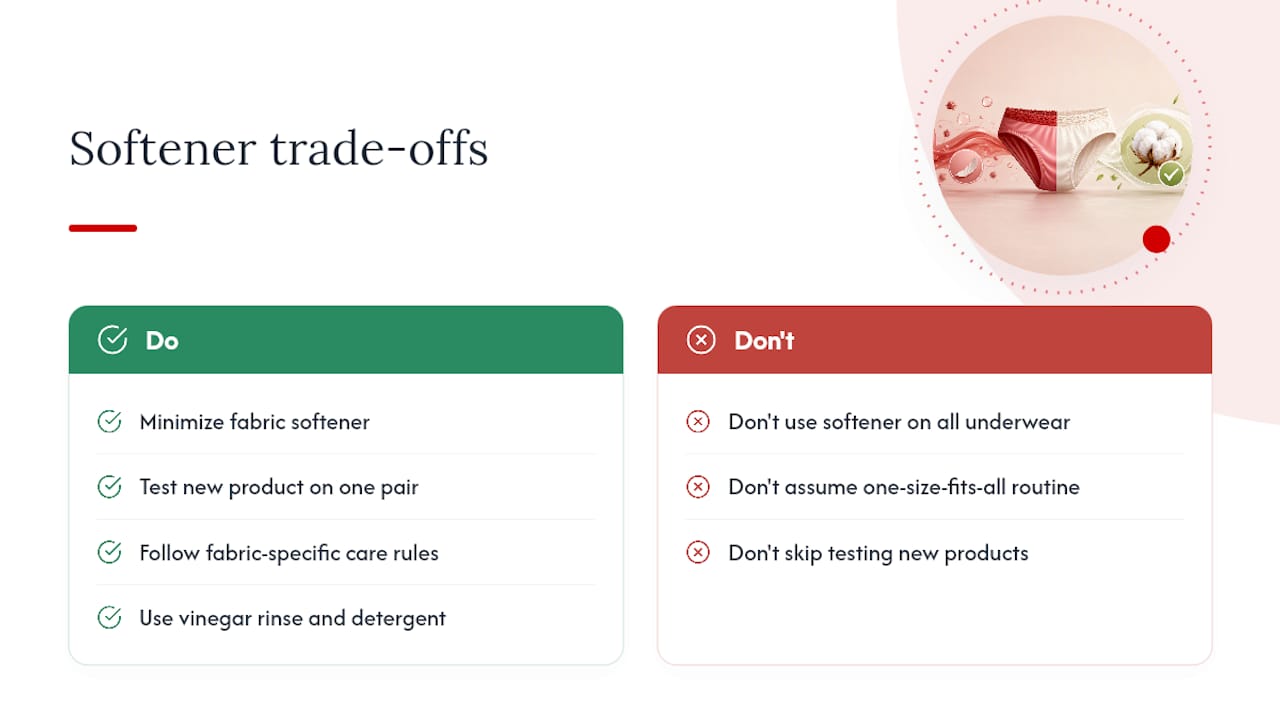
The evidence points one direction: minimize softener, test any new product on a single pair before committing your whole drawer, and follow the fabric-specific rules instead of a one-size-fits-all laundry habit. Vinegar rinses and a decent detergent solve the softness problem without the downside. That’s not a compromise. It’s just the better routine.
— Tim
Get Underwear That Skips the Softener Problem Entirely
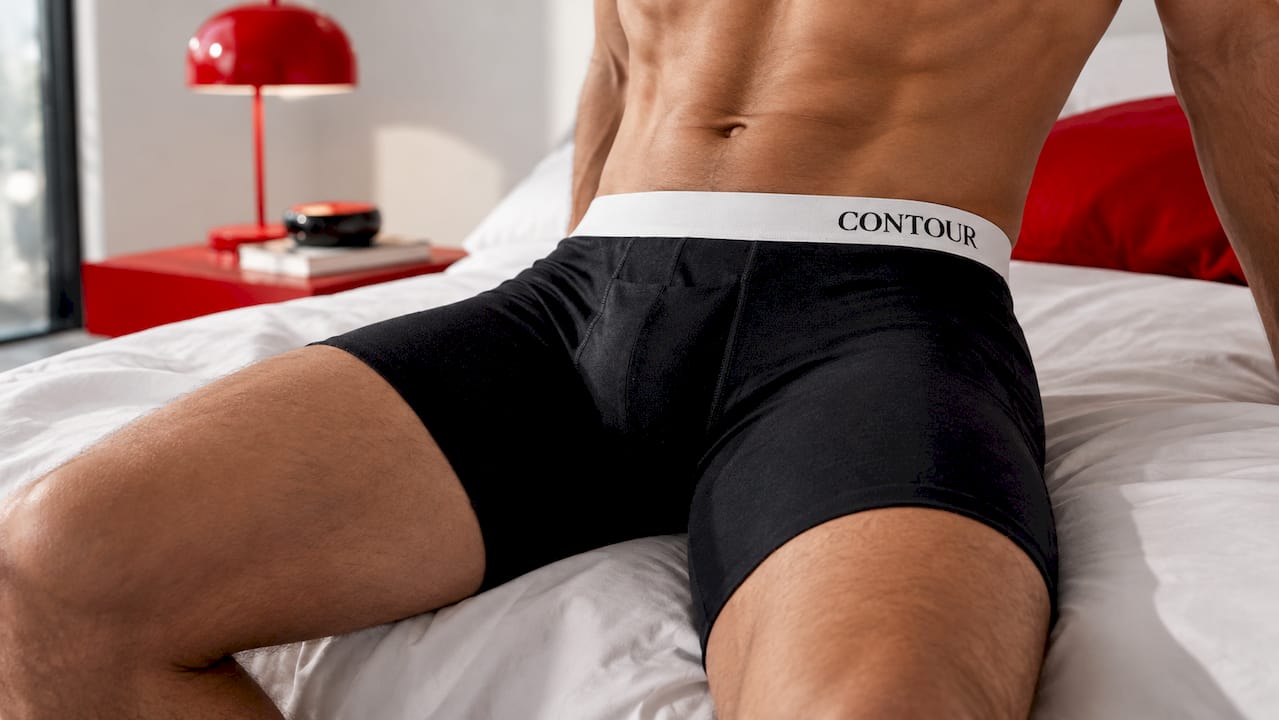
The easiest fix for the fabric softener question is buying underwear that doesn’t depend on it. Wear Contour’s Contour™ Signature Boxer Brief is built with a non-rising leg, tagless construction, and breathable stretch fabric designed to hold its fit through repeated washing, no softener required.
It’s a straightforward swap for anyone tired of underwear that bunches, sags, or needs babying in the laundry to feel decent. Multipack bundles are available if you’re ready to replace your whole rotation at once, and shipping is free worldwide. Head to the Wear Contour shop to check sizing and current bundle pricing before your next order.
Sources
- Fabric Softener for Underwear – Is It Safe? | ALBERT KREUZ
- Underwearwashingmachine
- Downy Ultra Soft Calm Liquid Fabric Softener | Downy
FAQ
Can You Use Fabric Softener for Underwear?
You can, but it’s generally not a good idea for anything with elastane or a moisture-wicking claim, since the residue coats fibers and weakens stretch over time. Plain 100% cotton tolerates it better, though a vinegar rinse or gentle detergent usually works just as well without the downside.
How Do I Get My Underwear to Stop Smelling?
Odor that survives a wash is often a sign of detergent or softener residue trapping bacteria against the fabric rather than a hygiene failure. Wash with a gentle detergent in cold water, add a vinegar rinse to break down buildup, and air dry instead of using high heat.
Why Are My Underwear Wet but I Didn’t Sweat or Pee?
Dampness that shows up without obvious sweating is usually normal vaginal or bodily discharge, which is a routine bodily function, not a laundry problem. If the underwear itself always feels slightly damp even after drying, check for softener or detergent residue coating the fabric and blocking moisture from evaporating properly.
What Is the Most Hygienic Way to Wash Underwear?
Wash underwear separately or in a mesh delicates bag using a gentle detergent and cold or warm water, then skip the fabric softener entirely. Air drying or low-heat tumble drying protects elastic and avoids the residue buildup that softener leaves behind, according to laundering guidance from UnderwearWashingMachine.com.
Does Wear Contour Underwear Need Fabric Softener to Stay Soft?
No. The Contour™ Signature Boxer Brief is built with breathable, stretch fabric designed to maintain its fit and feel through repeated washing without any softener needed.