
4 Quick Checks for Men Before Wearing Boxer Briefs Under Swim Trunks
Usually no. Skip regular underwear under swim trunks unless you need extra support, more coverage in liner-less shorts, or you’re wearing the trunks as everyday shorts rather than actually swimming. Most boardshorts and trunks already have a built-in mesh liner that handles support and modesty, and stacking cotton underwear underneath just adds drag, slows drying, and raises your odds of chafing. If you genuinely want an underlayer, reach for something built for water, like a quick-dry brief or the Contour™ Signature Boxer Brief, not your everyday cotton pair.
TL;DR:
- Most swim trunks have built-in liners that provide support and coverage; wearing cotton underwear under them generally adds drag, slows drying, and increases chafing risks.
- Cotton underwear retains moisture, leading to discomfort and bacterial growth, while synthetic, quick-dry fabrics like polyester or nylon blends perform better and dry faster.
- An underlayer is useful only if trunks lack a liner or when wearing trunks as casual shorts, but always check for an internal mesh or compression brief first.
- Rinsing wet clothing immediately after swimming and avoiding high heat drying extend elastic lifespan; no underwear is necessary for long swims or chlorine-heavy pools.
- The Contour™ Signature Boxer Brief is designed specifically for water exposure, offering support, quick drying, and durability for those who prefer underlayers.
Table of Contents
- The Real Trade-offs of Wearing Underwear Under Swim Trunks
- When an Underlayer Actually Makes Sense (and When It Doesn’t)
- Fabrics and Fit That Actually Work as an Underlayer
- Wet Underwear and Your Skin: What’s Actually at Risk
- Keeping Both Layers From Falling Apart
- Why the Contour™ Signature Boxer Brief Fits This Guidance
- A Straight Answer for Most Guys
- Try the Contour™ Signature Boxer Brief for Your Next Beach Day
- Sources
- FAQ
The Real Trade-offs of Wearing Underwear Under Swim Trunks
Wearing boxer briefs under swim trunks solves a couple of real problems and creates several others. It’s worth knowing both sides before you make it a habit.
The case for it is narrow but legitimate. Some trunks, especially older boardshorts or budget pairs, skip the internal liner entirely, and going commando in those can feel exposed once wet fabric clings. Underwear also adds a layer of support during short, low-intensity beach activities, and it makes sense if you’re wearing swim trunks purely as casual shorts for the day rather than getting in the water.
The case against it is longer, and it’s the reason most swim coaches and gear guides lean the other way:
- Cotton absorbs water and stays wet for hours, which means you’re walking around in a heavy, clammy layer long after your trunks have started drying.
- Wet cotton against skin increases friction, and friction plus salt or chlorine residue is a solid recipe for chafing on the thighs and waistband.
- Repeated exposure to chlorine and salt water accelerates elastic breakdown in regular underwear, since that fabric wasn’t engineered for pool chemistry.
- An extra layer under swimwear adds drag in the water, which matters more than people expect if you’re doing laps or swimming any real distance.
The fabric you choose changes the math substantially. Cotton boxers are the worst option by a wide margin. Synthetic boxer briefs in polyester or nylon blends perform better because they resist water absorption. Compression shorts sit in between, offering support without the bulk of a traditional boxer brief.
When an Underlayer Actually Makes Sense (and When It Doesn’t)
Treat this as a quick gut check before you get dressed for the beach or pool.
- Skip underwear entirely for long swims, surf sessions, lap swimming, or any pool with heavy chlorine exposure. The extra fabric slows you down and gives bacteria more places to hide.
- Consider an underlayer if you’re wearing your trunks as regular shorts for the rest of the day, running errands, or grabbing lunch after the beach.
- Consider an underlayer if your trunks are noticeably loose and lack any internal liner, since some added coverage helps with modesty when the fabric gets wet and clingy.
- Check your trunks first. Flip them inside out and look for a mesh liner or a built-in compression brief. If it’s there, experts agree you don’t need anything else underneath.
Most name-brand swim trunks sold in the last several years include some form of liner, which is exactly why most swimwear brands quietly recommend skipping underwear altogether unless that liner is missing or has worn thin.
Fabrics and Fit That Actually Work as an Underlayer
If you’ve decided you want something under your trunks, the fabric choice matters more than the style. Cotton is the wrong answer nearly every time.
Technical blends built from polyester, nylon, and a touch of elastane wick moisture and dry in a fraction of the time cotton takes. That speed matters because you’re not just avoiding discomfort, you’re avoiding hours of walking around in a soggy layer that never fully dries between dips in the water.
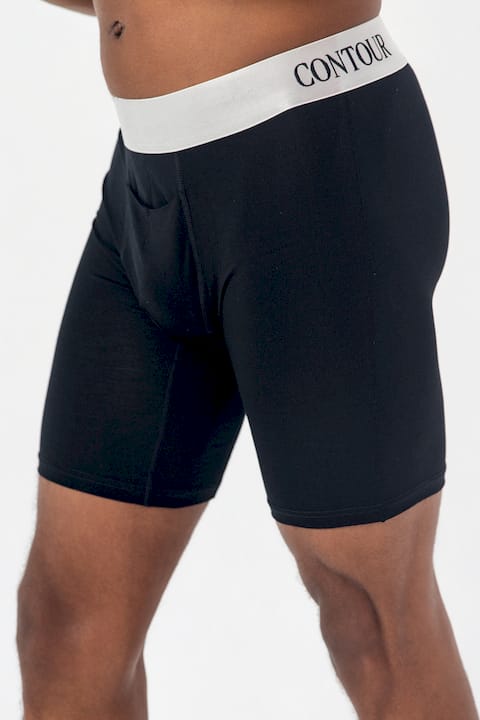
Swim briefs and compression shorts are the gold standard here. They’re designed specifically for water exposure, they dry fast, and they add real support without bulk. Boxer briefs can work too, but only if they’re a quick-dry, low-profile style rather than a heavyweight cotton pair from your dresser drawer.
A few fit details separate a comfortable underlayer from a miserable one:
- Snug through the leg and waist so fabric doesn’t bunch or twist once wet.
- Flat seams positioned away from the inner thigh to cut down on chafe points.
- A tagless waistband, since tags rub raw fast once salt water and sand get involved.
- Leg length that stops above where your trunks end, so nothing peeks out or drags.
Pro Tip: Do a five-minute test in your bathtub or shower before committing to any underlayer for a beach trip. If it clings uncomfortably or takes forever to wring out, it’s going to be worse in salt water for six hours.
Wet Underwear and Your Skin: What’s Actually at Risk
Wet cotton against skin is a friction machine. Add salt, sand, or chlorine residue, and you’ve built a near-perfect setup for irritation. Warm, moist environments encourage bacterial growth, and a soggy underlayer trapped against skin for an entire afternoon checks every box for that. Swim coaches and gear experts commonly flag cotton underwear specifically because it holds onto moisture far longer than synthetic fabrics do, giving bacteria more time to do their damage.
Watch for a few warning signs. Redness that doesn’t fade within an hour of changing, a burning sensation along the waistband or inner thigh, or a rash that shows up a day or two later are all signals to stop wearing that garment as an underlayer and see a doctor if it doesn’t clear up on its own within a few days.
The fix is mostly just discipline:
- Change out of wet garments as soon as you’re done swimming, not after a few more hours at the beach.
- Rinse off salt or chlorine in a shower before the fabric fully dries against your skin.
- Let everything air out completely before wearing it again.
- Launder any underlayer after every wet use. Don’t just toss it back in the drawer.
Keeping Both Layers From Falling Apart
Chlorine and salt water are hard on elastic, whether it’s in your trunks or whatever you’re wearing underneath. The longer either sits on fabric, the faster the waistband and leg elastic lose their snap.
- Rinse immediately. A quick freshwater rinse right after swimming removes most of the chlorine or salt before it has time to break down fibers.
- Dry smart. Air-dry both layers out of direct sun, and skip the dryer’s high-heat setting, which is one of the fastest ways to wreck stretch fabric.
- Launder gently. Use a gentle cycle with mild detergent, skip fabric softener since it degrades moisture-wicking properties, and always follow the care label on both garments.
Why the Contour™ Signature Boxer Brief Fits This Guidance
If you land in the “I genuinely want an underlayer” camp, the fabric and fit questions above point toward a specific kind of product, and the Contour™ Signature Boxer Brief was built around exactly those requirements.
- Non-rising leg design. The leg stays in place instead of riding up, which matters most when you’re moving around wet and sandy at the beach.
- Breathable, quick-drying fabric. Built to avoid the soaked-cotton problem that causes most of the chafing and bacterial concerns covered above.
- Tagless construction. No tag digging into your waistband after hours of salt water exposure.
- Durability through repeated washing. Designed to hold its shape and softness wash after wash, which matters if you’re rinsing and laundering it after every beach trip.
None of this replaces a proper swim liner for actual laps in the pool. But for the “wearing trunks as shorts” or “want a bit more coverage” scenarios covered earlier, it’s a reasonable, purpose-aware pick rather than grabbing whatever cotton pair is closest to the dresser.
A Straight Answer for Most Guys
Here’s the honest takeaway: for actual swimming, skip the underwear and trust your trunks’ liner to do its job. Save a technical underlayer for the specific situations where it earns its place, not as a default habit.
Run through this before you head out the door:
- Check for a liner in your trunks.
- If you want an underlayer anyway, pick quick-dry synthetic fabric over cotton.
- Rinse off salt or chlorine as soon as you’re done in the water.
- Change out of anything wet and launder it before wearing it again.
For readers who keep landing on “yes, I want something underneath,” the Contour™ Signature Boxer Brief is a solid option built with drying speed and fit in mind, not an afterthought pulled from a regular underwear drawer.
— Tim
Try the Contour™ Signature Boxer Brief for Your Next Beach Day
This product is designed to meet the needs of an underlayer under swim trunks, with features intended to provide comfort and quick drying compared to typical cotton underwear.
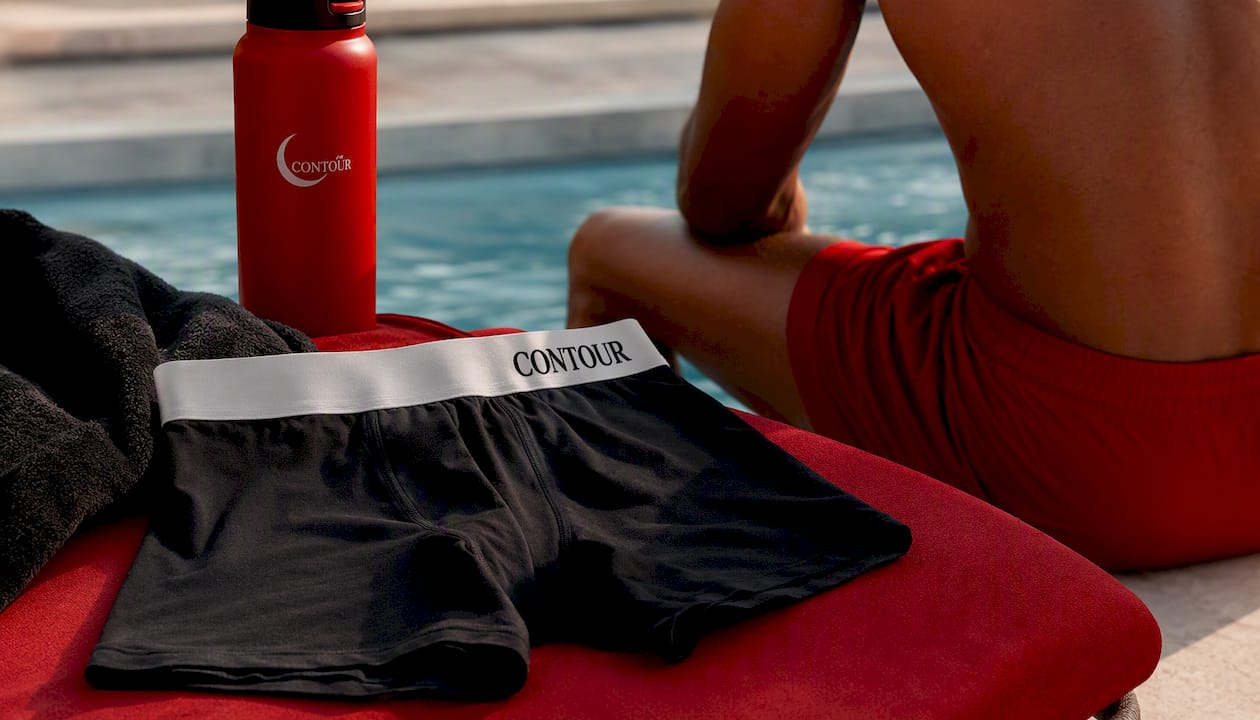
It’s an easy add to your beach bag if you’re the type who wears trunks as everyday shorts or wants a bit more coverage on unlined boardshorts. Sizing runs true to standard men’s underwear, so check the size chart on the product page before ordering, and multipack bundles are available if you know you’ll want a rotation ready for wash day. Head to the Contour™ Signature Boxer Brief page to pick your size and get one in the mix for your next trip to the water.
Sources
- Speedo blog — What should you wear under boardshorts?
- Are you supposed to wear underwear with swim trunks? — Lake Country Swimming
FAQ
What Do Guys Wear Under Swim Trunks?
Most guys wear nothing extra, since the built-in mesh liner in most trunks already provides support and coverage. Those who want something more typically choose a swim brief, compression short, or a quick-dry boxer brief like the Contour™ Signature Boxer Brief rather than regular cotton underwear.
Do You Go Commando in Swim Shorts?
Yes, and it’s actually the standard recommendation as long as your trunks have a liner. Going without underwear avoids the slow-drying, chafing, and drag problems that come with wearing regular underwear in the water.
Should You Wear Boxers Under Shorts?
For swimming, no, unless your trunks are unlined or you’re wearing them as everyday shorts rather than getting in the water. If you do wear something, choose a technical, quick-drying fabric over cotton boxers, which absorb water and dry slowly.
What Do Women Wear Under Swim Shorts?
Most women rely on the swimsuit or built-in liner itself rather than adding separate underwear, following the same logic that applies to men’s trunks. When extra coverage is wanted, a snug swim brief or quick-dry underlayer works better than regular cotton underwear for the same reasons: faster drying and less chafing.